





Comprehensive Analysis of Fiber Optic Network Infrastructure Components: From User Access to Integrated Cabling Management
 Dec 09, 2025|
 With the rapid global expansion of fiber optic network coverage and the continuous growth in demand for high-bandwidth applications, the key components of fiber optic infrastructure have become the cornerstone of efficient network operation. These elements collectively form a reliable, high-performance skeletal framework for fiber optic networks. This article provides a systematic analysis of the functional characteristics, selection criteria, and market prospects of core equipment such as fiber optic wall outlets, fiber patch panels, fiber distribution hubs, and fiber trays.
1. Fiber Optic Wall Outlet: User-Side Access Terminal
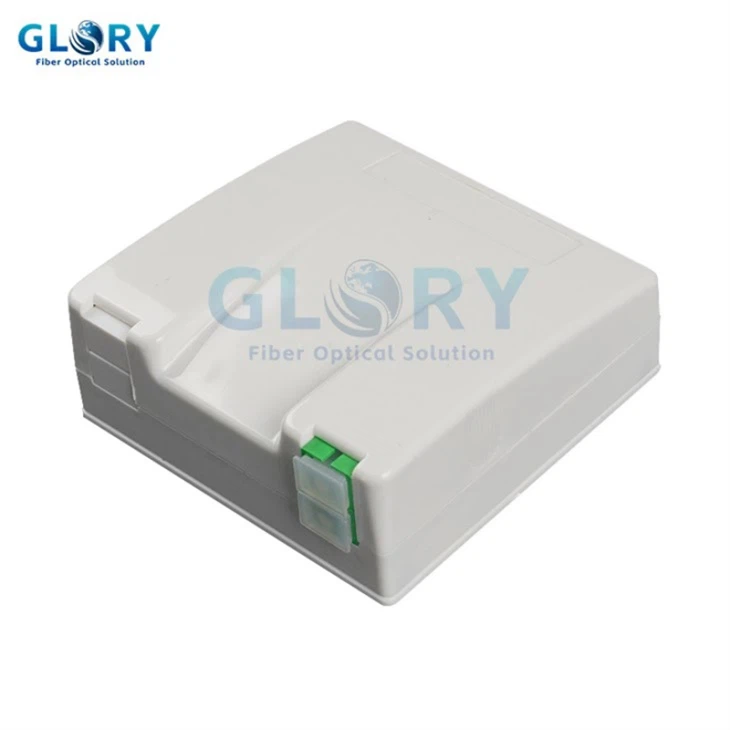
The fiber optic wall outlet serves as the final interface of the Fiber-to-the-Home (FTTH) network, directly providing fiber optic access services to end-users.
Core Functions: Acts as the terminal interface for optical signals, providing connection points for devices such as optical network terminals (ONTs) and routers; protects internal fiber connectors from dust, physical damage, and excessive bending through its housing structure; modern designs focus on integration with indoor environments, supporting single, dual, or multi-port configurations, and can incorporate power outlets, balancing space optimization and aesthetics.
Selection Criteria: Considerations include connector type, number of ports, installation method, and the potential need for integrated electrical functionality.
Market Potential: As FTTH deployment deepens, this market shows high potential. Global monthly search volume is approximately 570, with a low competition index of 6, indicating significant room for market growth.
2. Fiber Patch Panel and 24-Port Fiber Patch Panel: Core Hub of Equipment Rooms
As central equipment for the management, distribution, and patching of fiber connections in data centers, equipment rooms, and enterprise networks, fiber patch panels are highly relevant.
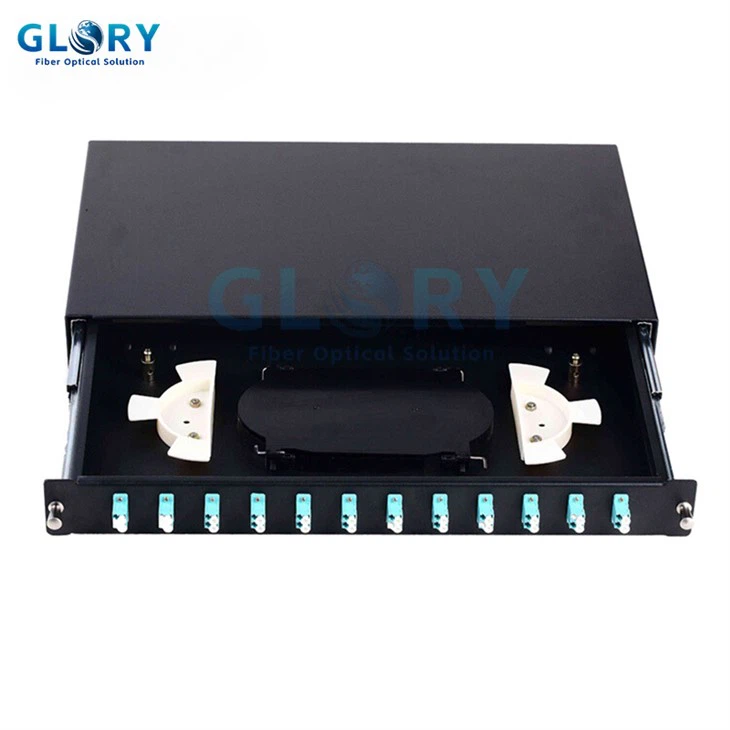
Functional Advantages: Serves as a centralized termination point for fiber cables, enabling flexible system connections, distribution, and patching; facilitates easy circuit reconfiguration, testing, and troubleshooting, enhancing network reliability and management efficiency. The 24-port model is a typical representative of high-density cabling, supporting numerous connections within a limited space (e.g., 19-inch standard racks) to meet data center expansion needs.
Selection Criteria: Choices should be based on fiber mode (single-mode/multi-mode), port density, structural form (e.g., fixed, modular), and installation method. Modular patch panels are showing significant growth due to their flexibility and ease of expansion.
Market Performance: The global monthly search volume is about 4.6 thousand, with a competition index of 22, indicating strong demand and a mature landscape. The specific 24-port model garners around 110 monthly searches with a competition index of 2, reflecting a clear niche market for high-density solutions.
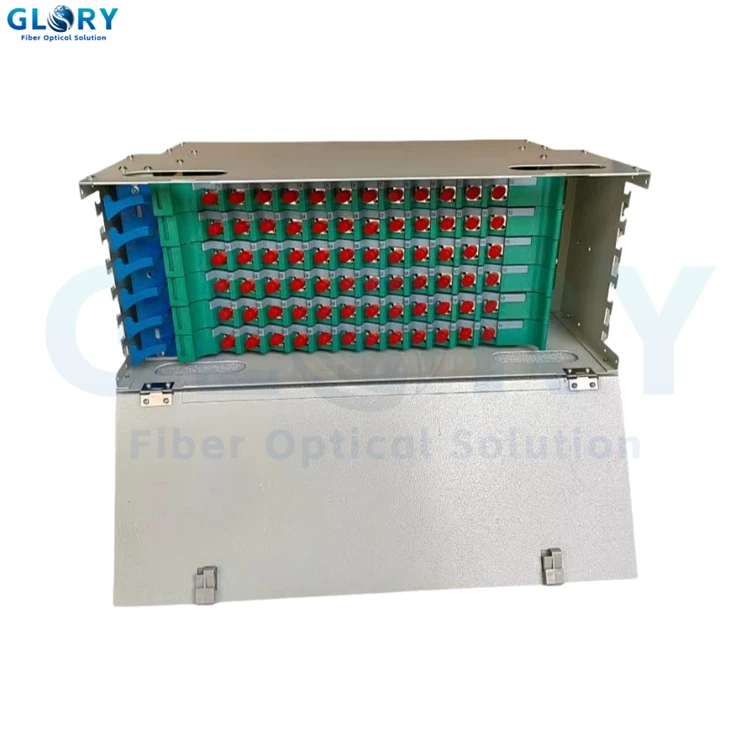
3. Fiber Distribution Hub (FDH) and Outdoor Fiber Distribution Cabinet: Outdoor Distribution Nodes
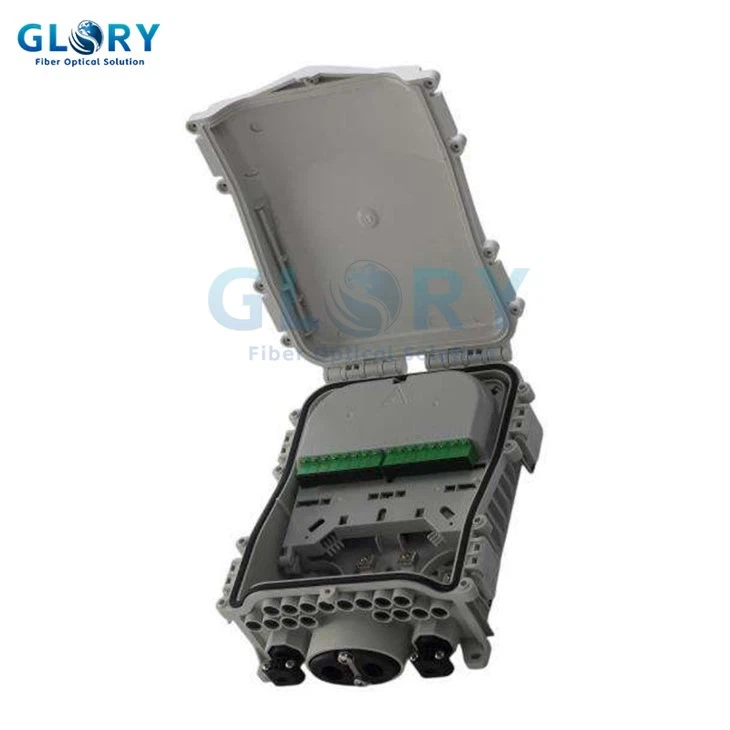
Typically installed in building corridors, on utility poles, or outdoor sites, FDHs connect backbone fiber cables and distribute signals to multiple users or buildings.
Technical Characteristics: Provide functions like optical signal distribution, patching, and multi-user access. Internally, they often contain fiber patch panels, splice trays, etc. Outdoor models feature rugged enclosures that are waterproof, dustproof, resistant to high and low temperatures, UV radiation, and physical impact, making them suitable for harsh environments.
Market Performance: The global monthly search volume for Fiber Distribution Hubs is around 800, with a competition index of 13. The monthly search volume for outdoor cabinets is about 190, with a competition index of 11. These devices are critical nodes extending the network towards the end-user.
4. Fiber Enclosure and Rack-Mount Fiber Enclosure: Flexible Protection Units
As a general term, 'fiber enclosure' covers various housings or chassis used to contain and protect fiber splices, patch panels, or connection points.
Application Scenarios: Range from small wall-mount units for protecting individual splices or terminations to large rack-mount chassis for centralized management in data centers. Rack-mount types are designed for standard racks, supporting modular configurations and high-density fiber management.
Market Performance: Fiber enclosures show high relevance, with a global monthly search volume of approximately 410 and a competition index of 14. Rack-mount versions have a monthly search volume of about 220 and a competition index of 11.
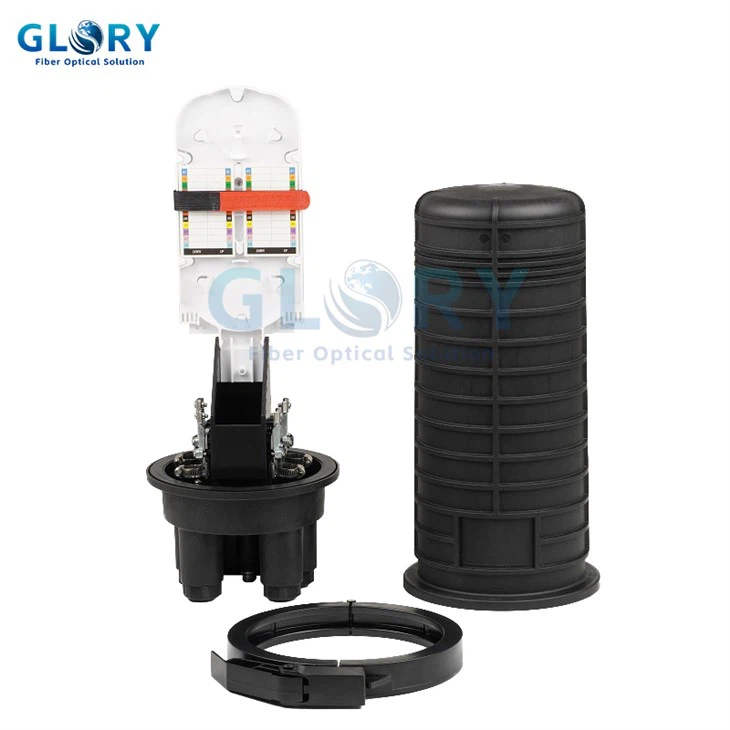
5. Fiber Tray: The Foundation of Cable Management
This often refers to cable runways or tray systems, including those made from materials like Fiberglass Reinforced Plastic (FRP), used to support, route, and organize large quantities of fiber or other cables.
Key Features: Offer properties like corrosion resistance, light weight yet high strength, non-conductivity, and flame retardancy, making them suitable for demanding environments (chemical plants, marine applications). Types vary (ladder-type, trough-type, wire basket) to suit different scenarios (e.g., ladder-type for good ventilation in data centers).
Market Potential: The global market size for fiber optic cable trays is projected to grow from 1.2billionin2023to2.8 billion by 2032, at a CAGR of 9.5%. The monthly search volume is around 850, with a competition index of 7, indicating active market demand and relatively moderate competition.
6. Cable Vault: Macro-level Infrastructure
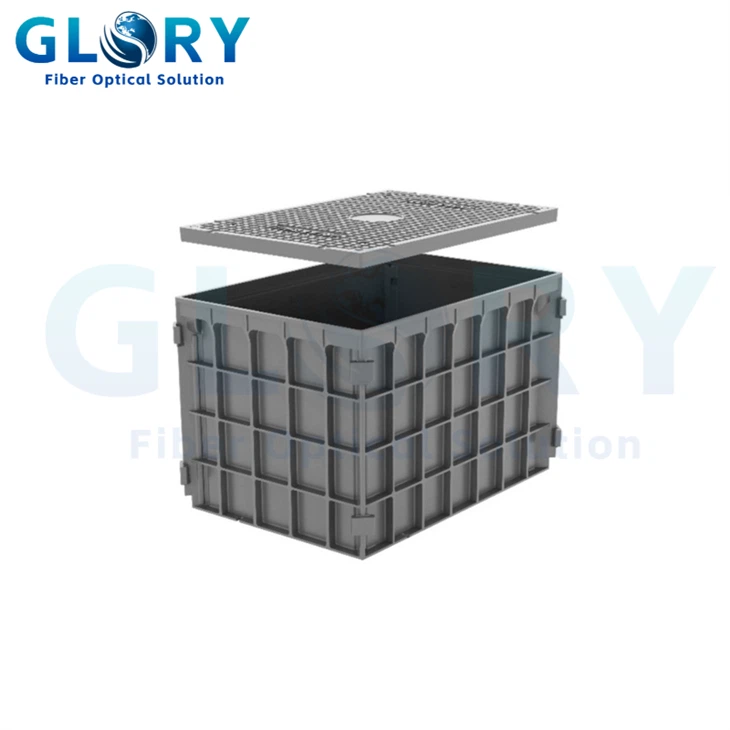
Refers to underground cable entrance facilities or manholes, part of urban communication conduit systems, used for the placement, splicing, and building entry of backbone fiber cables. They are a crucial component of macro-level underground pipeline infrastructure.
Summary and Outlook
Each component within the fiber optic network infrastructure plays a distinct role. From the user-terminal wall outlets, to in-building cable management via trays, to the core equipment room patch panels and outdoor distribution hubs, they collectively form a complete fiber optic link. Selection requires comprehensive consideration of the application scenario, environmental requirements, port density, ease of management and maintenance, and long-term reliability.
Looking ahead, driven by the development of 5G/6G, IoT, AI, and cloud computing, the demand for high-bandwidth, low-latency networks will continue to push fiber optic infrastructure towards higher density, more intelligent management, and greater adaptability.