





The Unsung Guardian: Decoding the Seal of Fiber Optic Splice Closures
 Dec 08, 2025|
 In fiber optic networks, the Fiber Optic Splice Closure is a critical node ensuring stable signal transmission. Whether installed underground, in manholes, or on utility poles, this seemingly simple box carries the vital mission of protecting delicate fiber splicing points. As a professional supplier in fiber network protection, Glory Optic Communication is here to demystify the secrets of different sealing technologies and explain how our innovative designs ensure long-term network stability.
The primary function of a Fiber Optic Splice Closure (also known as a Fiber Enclosure) is to prevent moisture, dust, and contaminants from entering its interior. Even in indoor environments, condensation from daily temperature fluctuations, airborne particles, and accidental liquid contact can gradually erode the fiber splices, leading to signal attenuation, network instability, or even complete failure. An excellent sealing system is the first line of defense for fiber network reliability.
Glory Optic's Complete Guide to Sealing Technologies
1. The Classic & Reliable Rubber Sealing System
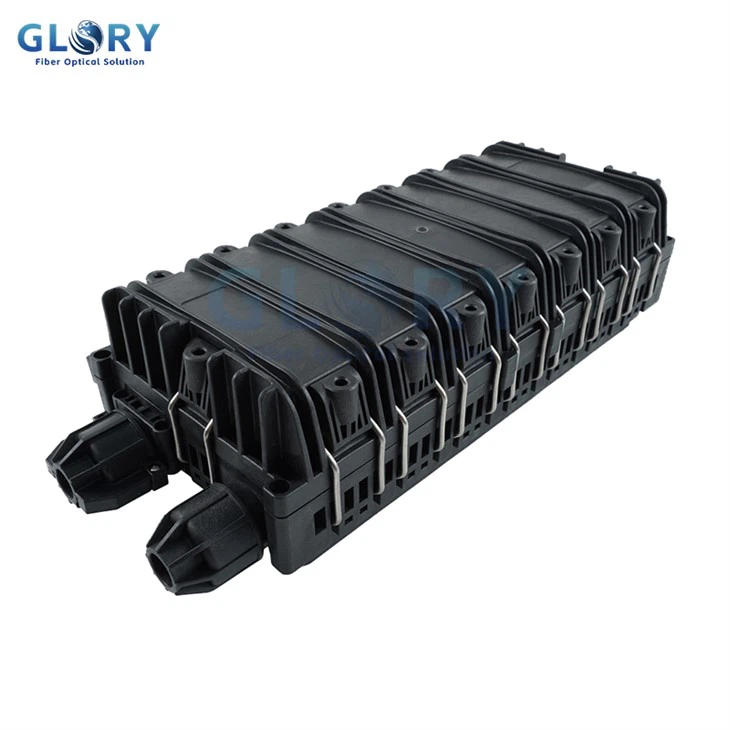
Our standard Inline Fiber Closures primarily utilize high-elasticity silicone or EPDM rubber gaskets.
Technical Advantages:
Exceptional Environmental Adaptability: Rigorously tested rubber compounds maintain elasticity across a temperature range of -40°C to +85°C, suiting various indoor and outdoor environments.
Long Service Life: High-quality materials resist oxidation and UV radiation, ensuring sealing performance does not degrade for years.
Easy Maintenance: Supports multiple non-destructive openings and closings, facilitating network upgrades and fault troubleshooting.
Simple Installation: User-friendly design reduces installation time by over 30%.
2. The Comprehensive Gel Sealing Solution
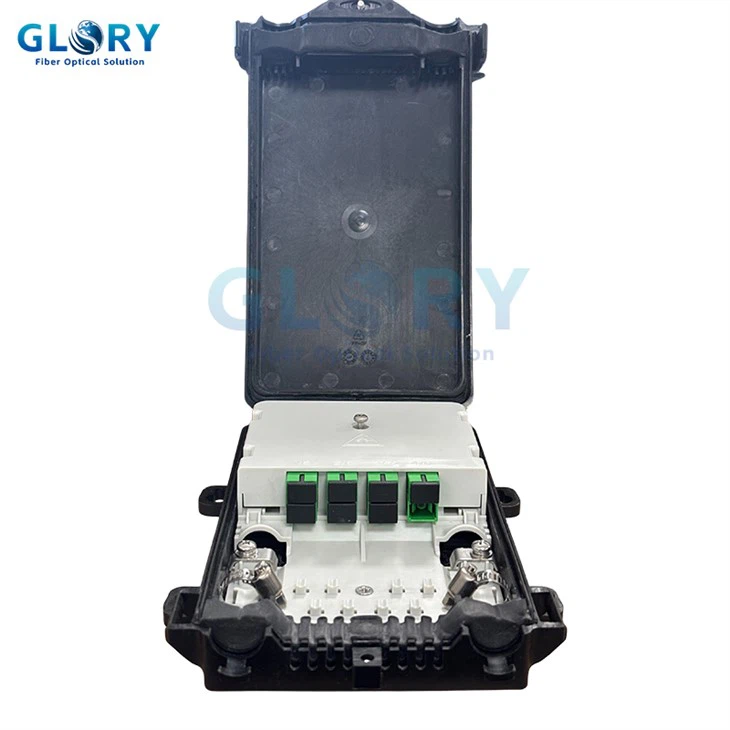
For harsh environments like high humidity, dusty areas, or coastal regions, we offer Gel-Sealed Fiber Enclosures.
Technical Features:
Dead-Angle Sealing: Polymer gel material can flow to fill all voids, perfectly encasing irregular components like fibers and adapters.
Superior Moisture Protection: Achieves the highest IP68 protection rating, capable of prolonged operation underwater at 1-meter depth.
Vibration Damping: Reduces the impact of external mechanical stress on fibers.
Material Stability: Our specially formulated gel maintains stable performance from -40°C to +70°C, with no exudation or degradation.
3. The Highly Reliable Heat-Shrink Sealing Technology
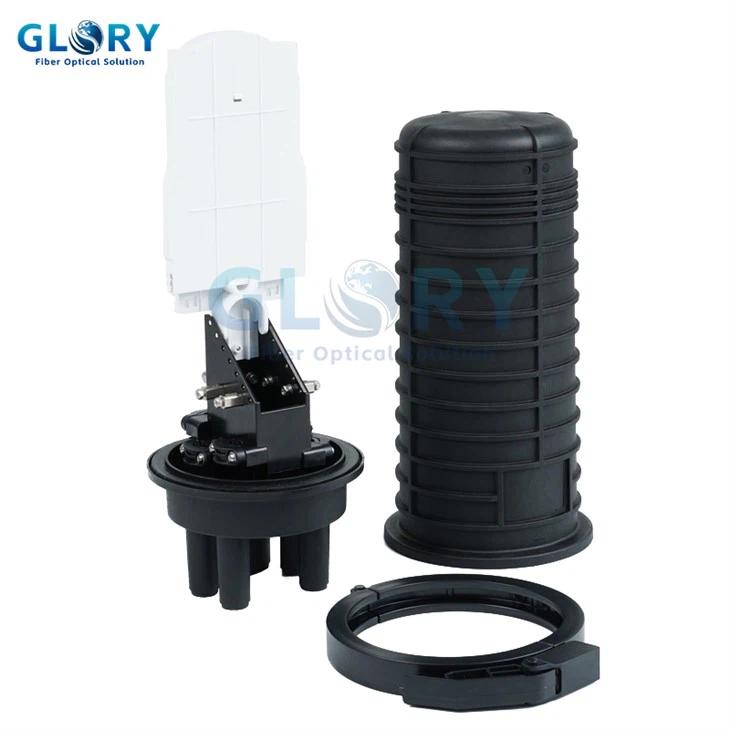
At critical entry points like cable inlets, we employ high-quality heat-shrink sealing tubes for permanent protection.
Technical Highlights:
High-Strength Seal: Special adhesive layer design ensures perfect bonding with various cable sheath materials.
Wide Temperature Tolerance: Operational temperature range from -55°C to +125°C.
Aging Resistance: Passes 2000-hour UV aging tests, guaranteeing long-term stability outdoors.
4. Adhesive Sealing (Epoxy, Polyurethane, Silicone Sealants)
This method involves applying liquid adhesives for sealing, commonly found in lower-end products or as a supplementary seal.
Advantages:
Low Cost: Particularly suitable for enclosures with simple structures.
High Adaptability: Can be used to fill large or irregular gaps.
Disadvantages:
Non-Reopenable: Once cured, it is nearly impossible to open without damage.
Labor-Dependent Quality: Uneven application or air bubbles can lead to leaks.
Risk of Curing Shrinkage or Aging Cracks: Long-term reliability is inferior to physical sealing methods.
Curing Wait Time: Requires time for the adhesive to set.
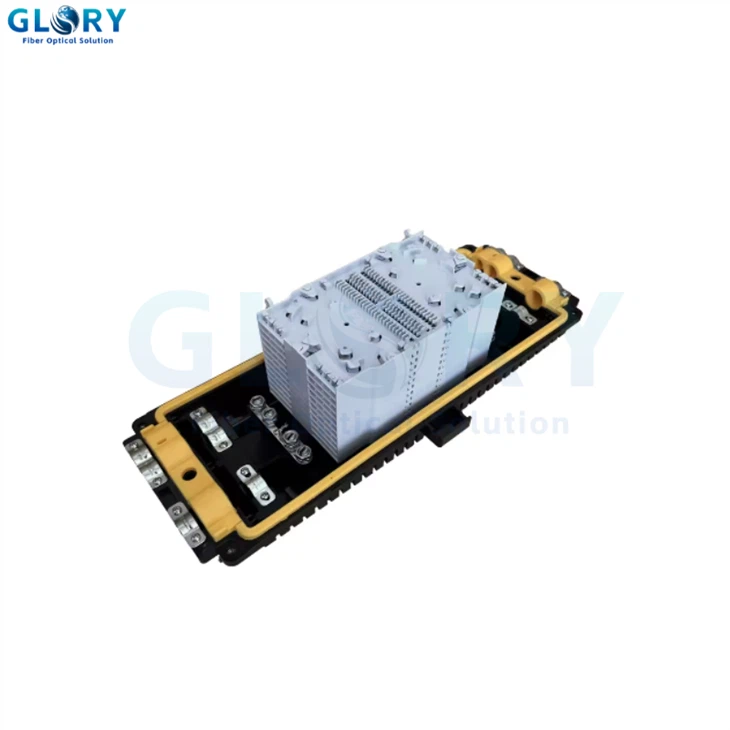
Choosing the right sealing method for a fiber splice closure requires a balanced consideration of the application scenario, performance requirements, and cost control. At Glory Optic Communication, we provide tailored solutions based on the specific needs of your project.
Need help selecting the perfect closure for your specific network environment?