





No Drilling Required: 3 Advantages of Fiber Optic Wall Outlets
 Mar 27, 2026|
 Introduction
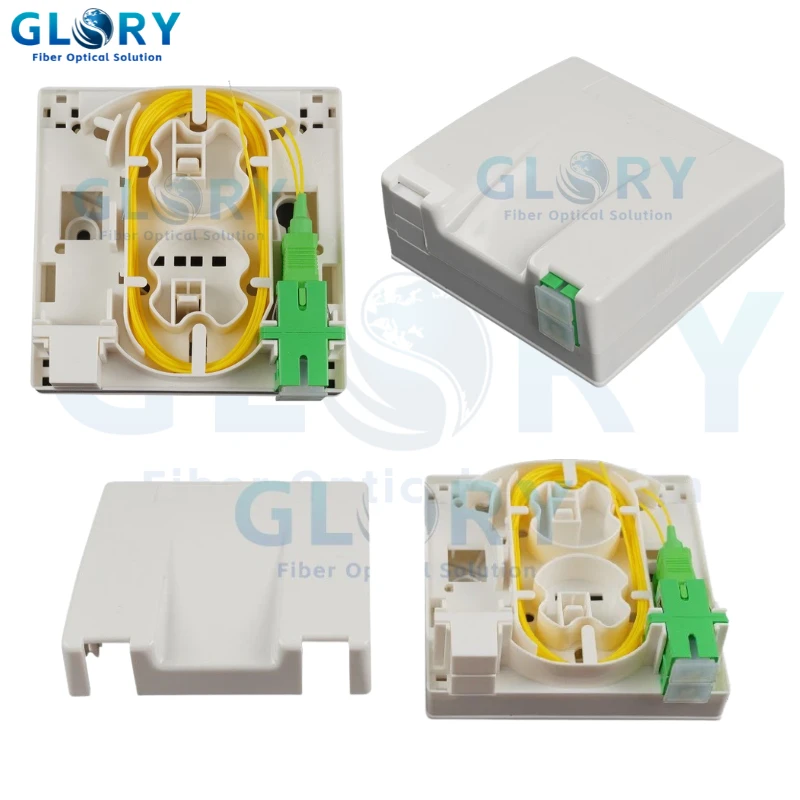
If you've ever had fiber-to-the-home (FTTH) installed, Traditional fiber optic wall outlet installations typically require drilling holes in the wall, embedding junction boxes, and running cables through conduits. This might not be a problem for a newly renovated home. But for already renovated and occupied homes, rental properties, or newly renovated offices, drilling means damage.
Is there a way to enjoy high-speed fiber optic internet without "damaging" the walls? The answer is yes-Fiber Optic Wall Outlets
Advantage 1: Non-destructive Installation, Maintaining Wall Integrity
The biggest advantage of Fiber Optic Wall Outlets is that they require absolutely no drilling. There's no need to chisel holes in the wall, embed junction boxes, or damage the wall structure. Simply install the socket directly on the wall-adhesive or simple screws can be used (only a tiny guide hole is needed, much smaller than traditional drilling).
What does this mean?
For renters: Fiber optic installation no longer requires landlord approval. When moving out, simply remove the socket, and the wall is restored to its original state-no worries about the deposit.
For renovated homes: Wall finishes (wallpaper, upholstery, marble) remain undamaged. A perfect balance of aesthetics and practicality.
For office users: No need to "disrupt" an existing office environment. Network upgrades will not interrupt normal office operations.
Advantage Two: Easy Installation, Significantly Increased Construction Efficiency
Traditional recessed socket installation requires multiple steps: positioning, drilling, embedding in the box, wiring, surface polishing, and final installation. Even experienced technicians need at least 30 minutes. Surface-mount sockets simplify the installation process to three steps:
Location: Select a suitable location and mark the fixing points.
Installation: Secure the base to the wall using pre-drilled mounting holes or adhesive backing.
Snap-in: Snap the cover plate into the base – installation complete.
The entire process takes less than 10 minutes. For operators or installation teams handling a large number of installations, this means more work can be done each day. The efficiency improvement is obvious.
Even better, the removable cover plate design makes future maintenance exceptionally simple. When inspection or adjustment is needed, simply open the cover plate (no tools required) to access the internal fiber optic cables and adapters. This is undoubtedly a thoughtful design for maintenance engineers.
Advantage Three: Flexible Adaptability to Complex Scenarios
Another hidden advantage of Fiber Optic Wall Outlets lies in their adaptability to various scenarios.
Flexible Cable Entry Points: Cable entry points are pre-drilled on both the bottom and sides of the socket. Whether the fiber optic cable is routed from under the floor or inside the wall, you can choose the optimal path-say goodbye to unnecessary long-distance cabling.
Installation Freedom: Since no junction box needs to be pre-installed, you can install it anywhere-behind a TV cabinet, next to a desk, behind a sofa, or even above the baseboard. No longer limited by the location of the junction box provided by the builder. Truly achieving "fiber optic anywhere."
Aesthetically Pleasing: Its compact size and clean white appearance blend perfectly with any interior style. Compared to an obtrusive "hole in the wall," it's more like a neat piece of home decor.
Conclusion: Making Fiber to the Home Easier
The "last few meters" of fiber-to-the-home deployment are often the most critical aspect in terms of installation ingenuity and user experience. Surface-mounted fiber optic wall sockets redefine indoor fiber optic terminals with three keywords: non-destructive, simple, and flexible.
They free tenants from the hassle of security deposits. They relieve homeowners of worries about wall damage. They free engineers from installation anxiety. They prove that enjoying high-speed internet doesn't necessarily mean drilling holes.