Purpose of ODF in FTTH network
 Dec 24, 2025|
 ODF How It Works and Parts
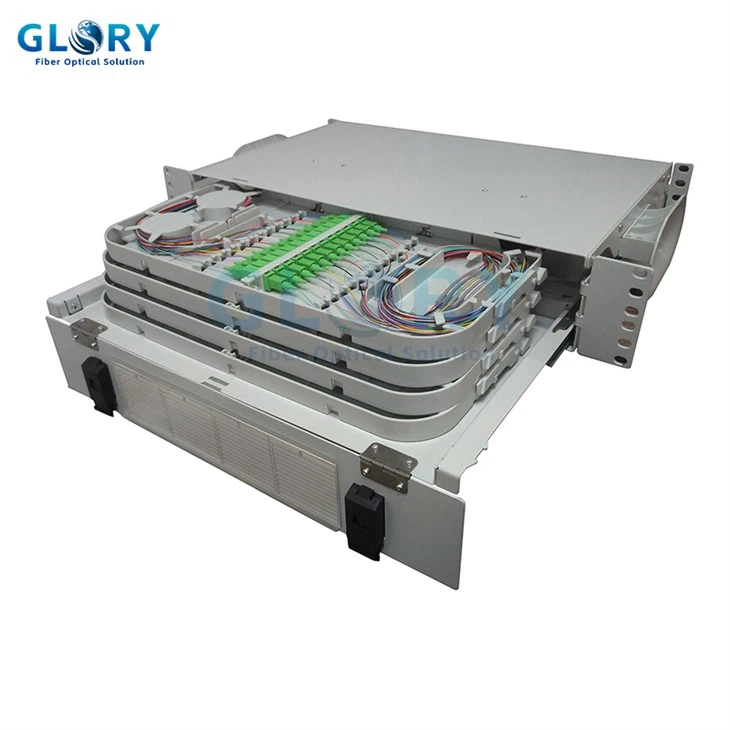
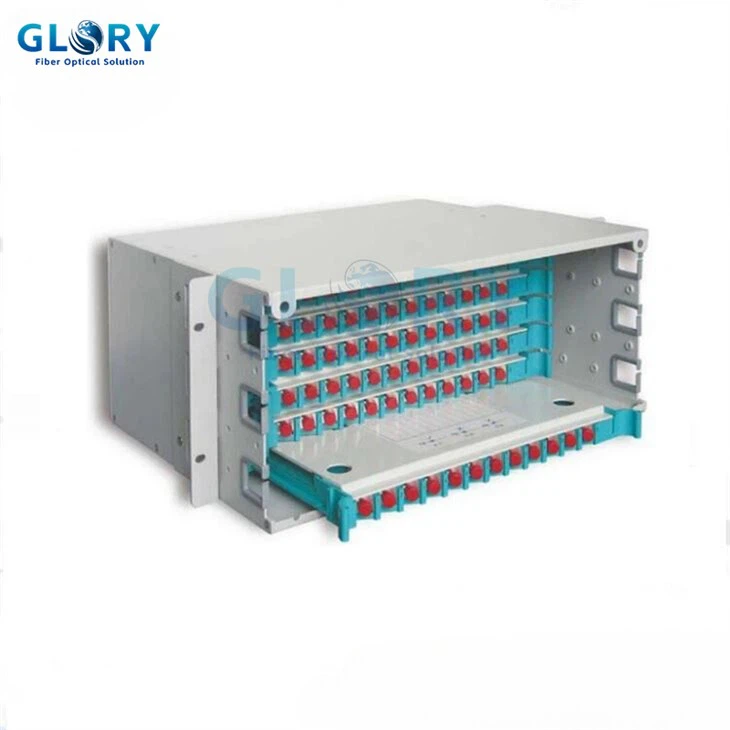
ODFs handle several important jobs. They terminate fiber cables, meaning they connect the raw cable ends to connectors (like LC or SC plugs). They provide patching points, allowing technicians to easily connect different fibers using jumpers. They protect the delicate splices and connectors from damage.
They also organize cables neatly for easy access. A typical ODF has a metal frame or cabinet, panels holding the adapter ports, trays for splicing fibers, and bars to manage cable slack. Labels are crucial for knowing which cable is which.
ODF Types and Shapes
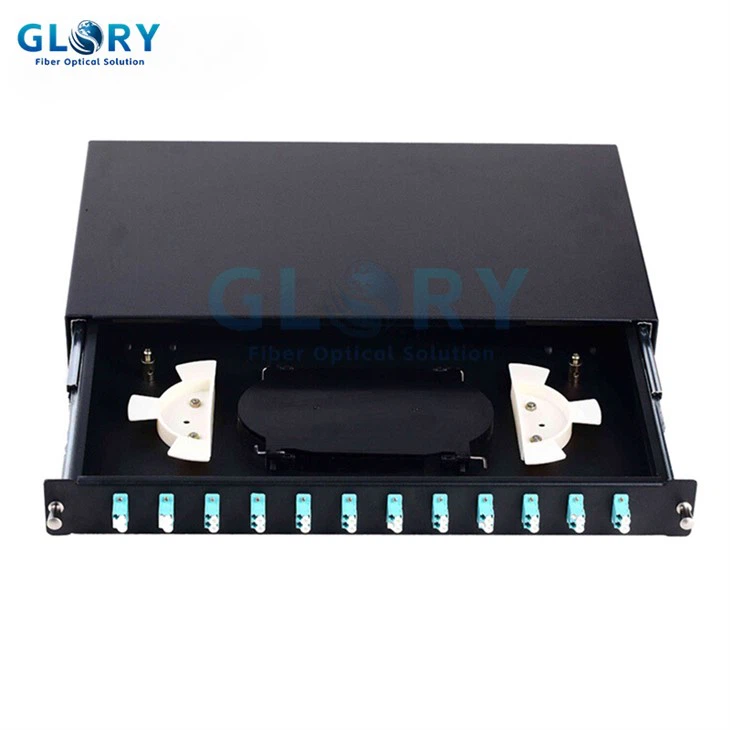
ODFs come in different styles for different needs. Wall-mount ODFs are smaller boxes fixed to walls, common in buildings or telecom cabinets. Rack-mount ODFs fit into standard equipment racks (19-inch wide), used in data centers and central offices.
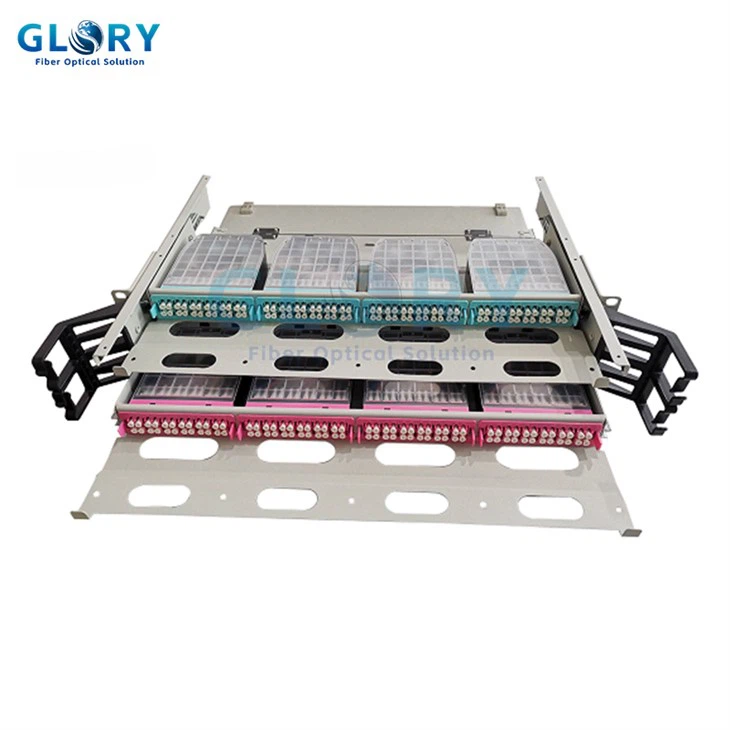
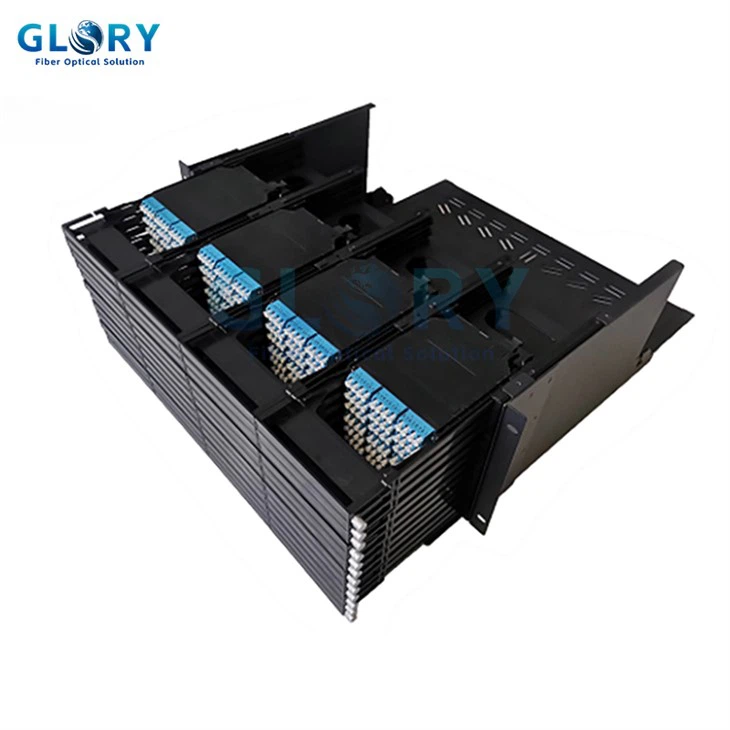
Modular ODFs use cassettes you can swap easily, making them flexible and scalable. ODFs also vary in size, holding from a few dozen fibers to hundreds. Some arrive pre-terminated (ready to plug in), others need field termination (splicing done on-site).
ODF vs. Fiber Patch Panel
It's important to know the difference. A Fiber Patch Panel is mainly for patching – connecting fibers using jumpers. An ODF does more: it handles termination, splicing, patching, protection, and organization.
ODFs offer better protection and are used where cables enter a building or in complex setups. Patch panels are simpler and often sit inside equipment racks just for connecting gear.
ODF Place in the Network
ODFs sit at critical points. In a Central Office or main building, the ODF connects the big outside cables (backbone) to cables going out to users. In FTTx cabinets on the street, ODFs terminate the cables feeding the neighborhood. Inside Data Centers, ODFs connect the fiber equipment like OLTs and switches. They let technicians connect different cable sections together.
ODF Installation and Best Steps
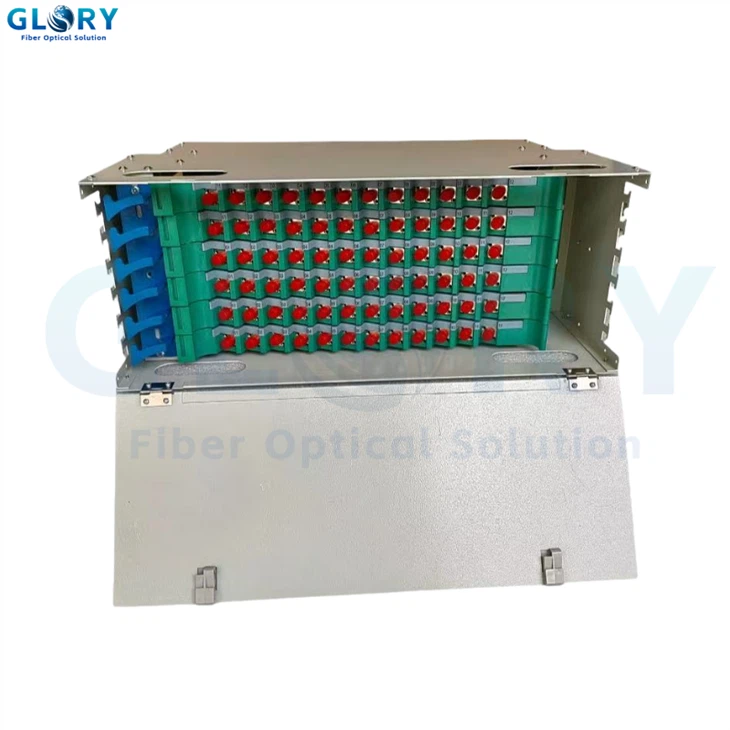
Putting in an ODF right matters. First, mount it securely. Bring cables in cleanly and seal openings. Leave some slack cable coiled neatly. Load splice trays carefully and route pigtails properly. Install adapter panels firmly. Label everything clearly using a standard system. Key things to watch:
Keep fiber bends gentle (no tight turns).
Avoid small kinks (microbends).
Keep connectors perfectly clean.
Record exactly what connects where.
ODF Choosing the Right One and New Ideas
Picking an ODF involves several factors. Consider the number of fibers you need to connect now and later. Choose the connector types (LC, SC, MTP) your equipment uses. Decide on the structure type (wall, rack, modular) that fits your space. Check the environmental rating (indoor, outdoor). Think about termination method (pre-terminated for speed, field for flexibility). New trends include even higher density cassettes, easier-to-use push-pull connectors, more pre-terminated systems, and smart ODFs that can monitor connections.
Title: What is an ODF in Fiber? The Network Hub Explained Simply