





What Is An FPV Drone Fiber Optic?
 Aug 26, 2025|
 FPV (First-person View) unmanned aerial vehicle (UAV) optical fiber technology is an innovative solution that enables real-time high-definition video transmission and control via optical fiber cables. The core lies in replacing traditional radio signals with optical fibers, which solves key issues such as anti-interference, low latency, and concealment.
This type of UAV drags FPV drone fiber optic cable with a diameter of only 0.2 to 0.5 millimeters during flight, transmitting data in the form of light pulses. It achieves a bandwidth of up to 10 Gbps and a latency of less than 1 millisecond-far exceeding the 2–5 Mbps bandwidth and 20–200 millisecond latency of traditional wireless FPV.
Real Combat Test: Disruptive Performance on the Russia-Ukraine Battlefield
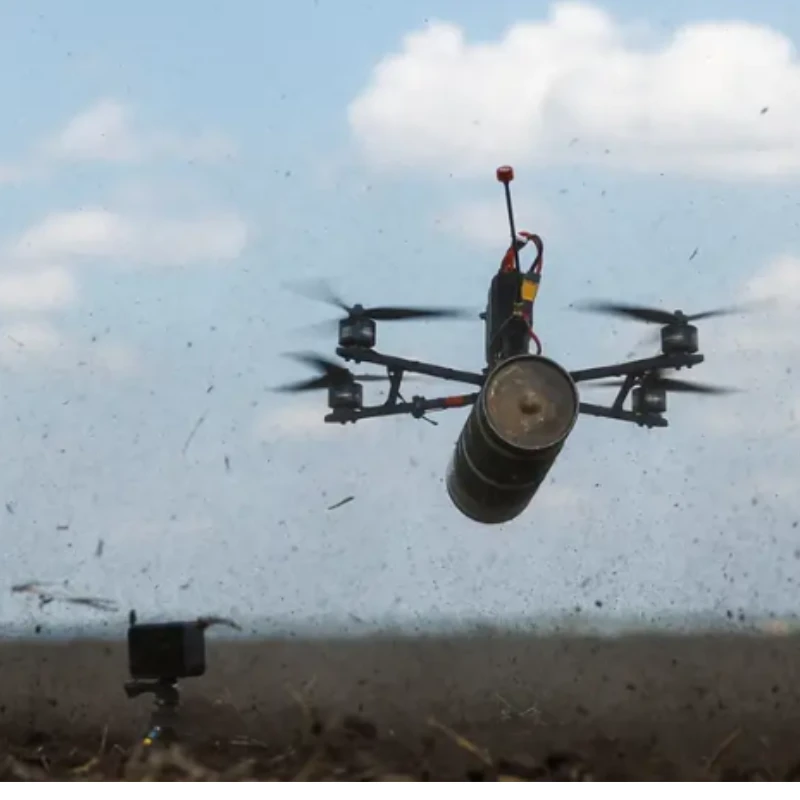
On the Russia-Ukraine battlefield, this technology has demonstrated disruptive value: The fiber-optic drones first deployed by the Russian army in 2024 can penetrate electromagnetic interference zones, guiding ammunition to precisely strike armored targets. Ukraine quickly followed suit, developing a $3,000 model for swarm tactics applications.
Technical Architecture: Working Principle of Optical Fiber Transmission Systems
The FPV Drone Fiber Optic Cable transmission system comprises an airborne photoelectric conversion module and a ground receiving end. Images captured by the drone's camera are converted into optical signals and transmitted to the ground via optical fibers, while operator instructions are sent back along the same fiber, forming a closed-loop control.
This physical link is not only immune to electromagnetic interference (e.g., Russia's "Krasuha-4" jamming system) but also avoids radio signal exposure, enabling stable operation in electronic warfare environments.
Combat data shows that fiber-optic guided UAVs have a mission success rate nearly 30% higher than traditional models. Their 0.1-meter positioning accuracy, especially when penetrating buildings or underground fortifications, makes them powerful reconnaissance tools.
Technical challenges: Weight, mobility and environmental limitations
However, this technology has significant limitations. A 15-kilometer optical fiber weighs approximately 1.2 kilograms, occupying 40% of the payload space-limiting the Russian Vandal model to just 3 kilograms of explosives. Sharp turns exceeding 120 degrees may snap the fiber, forcing operators to precisely control flight paths like kite flyers. Environmental adaptability is also challenging: synthetic fibers become brittle at -40℃, absorb moisture and gain weight in heavy rain, and vegetation entanglement during forest operations increases mission failure rates by 15%.
Civilian Potential: Breakthroughs in Power Inspection and Urban Management
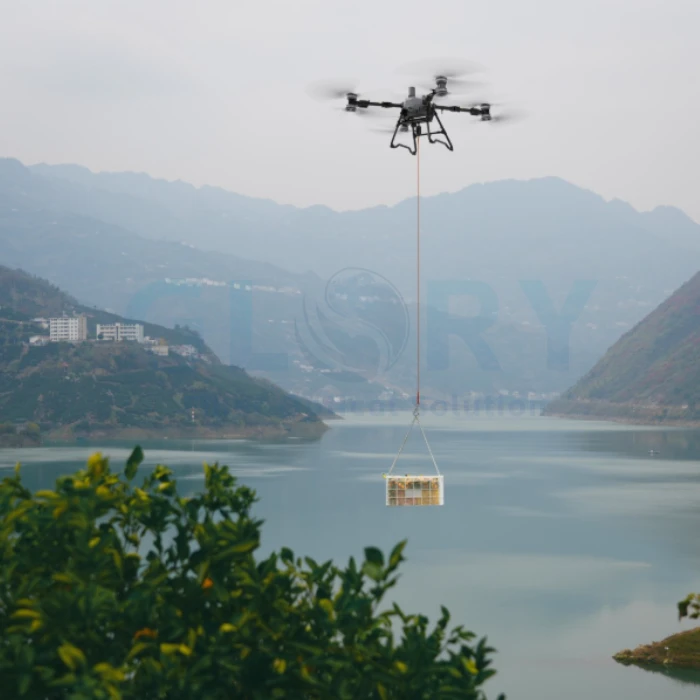
Despite these challenges, the civilian potential of fiber-optic drones is being unlocked. On a 500-kilovolt high-voltage line in Yunnan, State Grid engineers used fiber-optic drones to inspect 0.1-millimeter insulator cracks, achieving nine times the efficiency of manual checks. Hangzhou's "City Brain" leverages 2,000 fiber-optic drones for millisecond-level traffic congestion warnings, with 98% accuracy.
Technological breakthroughs continue: Carbon nanotube FPV Drone Fiber Optic Cable developed by the Chinese Academy of Sciences are five times stronger and 0.1 millimeters in diameter; biodegradable fibers decompose naturally within 72 hours post-mission, addressing ecological concerns. As hybrid guidance (automatic satellite navigation switching upon fiber breakage) and AI path planning mature, this technology is expanding from battlefields to broader civilian use, reshaping operations in fields from film shooting to disaster rescue.

Located in Ningbo, China, has over 15 years of experience in the fiber optic communication and FTTx network industries. Specialize in the production, R&D, and sales of passive fiber optic products as well as FTTA/FTTH/FTTR solutions.
Include a modern production plant, a test center, and a business development department. Have established a quality assurance system compliant with ISO9001 standards. Products are strictly tested according to IEC, GR-326-Core, GR-3120-Core, GR-771-Core, and GR-1221-Core standards to ensure superior performance and reliability.
Products are widely used in FTTH (Fiber to the Home) and FTTA (Fiber to the Antenna) applications. As part of business expansion strategy, Prioritize fulfilling customized product orders. Dedicated team specializes in innovative design, product improvement, and partnering with high-quality suppliers to collaboratively deliver tailored solutions for our clients.
At Glory Optical, Not only deliver high-quality products but also provide excellent customer service.
New products
Officially certified, professional quality guarantee



Overseas Strategy:
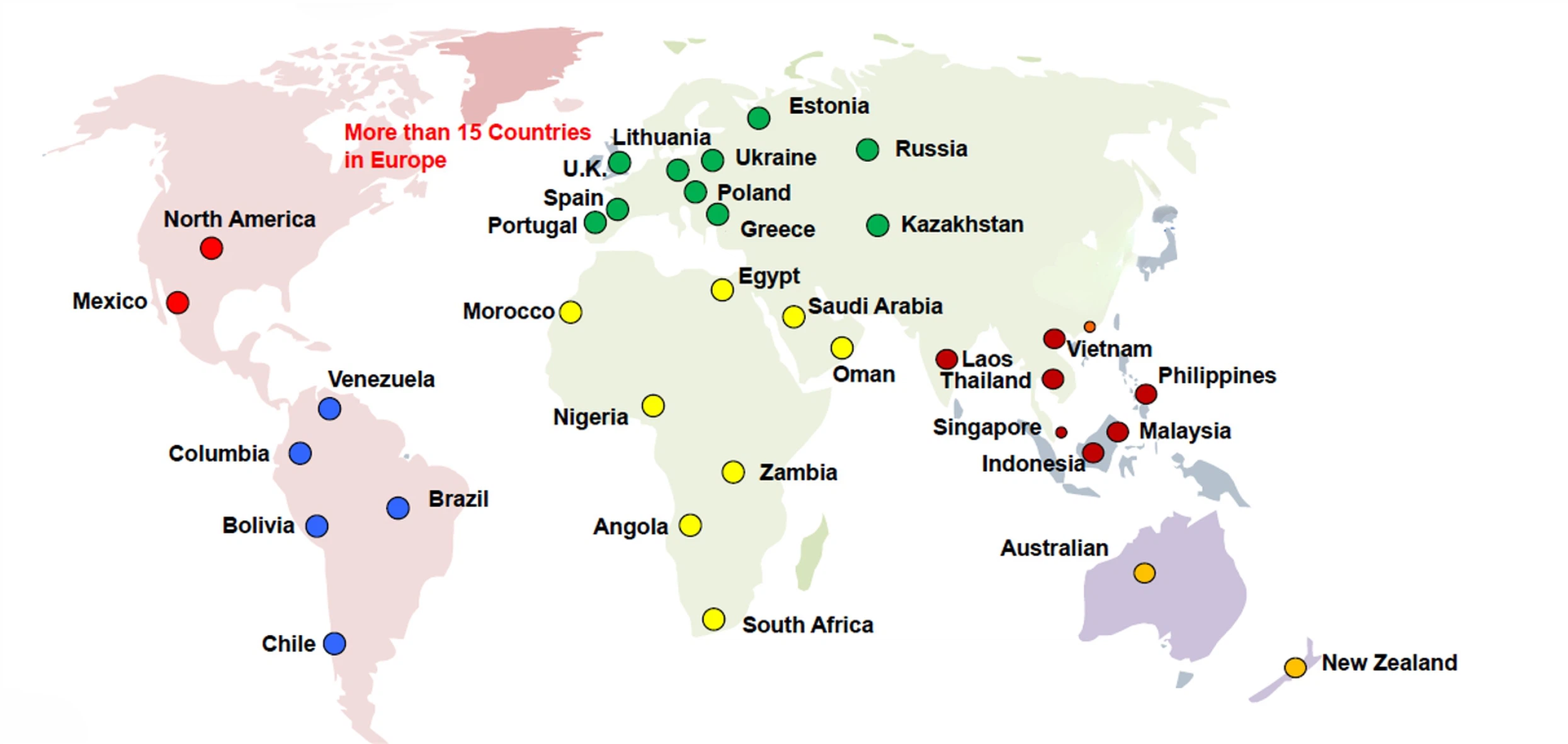
• Market layout in Asia, Europe, Middle east, North America, South America, Africa.
• Products are exported over 50 countries, and are widely recognized by customers.