





Apart From Dust Prevention, What Other Factors Can Affect The Quality Of The Optical Fiber End Face?
 Aug 22, 2025|
 When performing optical fiber splicing in a dusty environment, in addition to dust-proof measures, multiple factors can affect the quality of the optical fiber end face, thereby influencing splicing results and fiber transmission performance. Below are key influencing factors and their corresponding countermeasures:

1.The flatness of the optical fiber end face
The flatness of the optical fiber end face directly affects the splicing quality and the efficiency of optical signal transmission. Uneven end faces can lead to increased reflection and loss of optical signals. To ensure the flatness of the end face
Use high-quality fiber optic cutting tools to ensure the cutting Angle and end face quality.
Clean immediately after cutting to prevent dust from adhering and affecting the quality of the end face.
2.The cleanliness of the optical fiber end face
The cleanliness of the optical fiber end face is a key factor affecting the splicing quality and transmission performance. Dust, grease and other contaminants can cause increased reflection and loss of light signals. To keep the end face clean:
Wipe with a lint-free cloth or an optical fiber cleaning pen dipped in high-purity alcohol.
After each wipe, the cleanliness of the end face can be checked using a fusion splicer or a fiber optic microscope.


3. The grinding quality of the optical fiber end face
Optical fiber end face grinding is a key process in optical fiber manufacturing and connection. Optical fiber grinding refers to the process of fine processing of the optical fiber end face by mechanical or heat treatment methods. The main purpose is to remove the uneven parts on the end face of the optical fiber, making it smooth and flat, thereby enhancing the reliability and performance of the optical fiber connection. The grinding quality of the optical fiber end face directly affects its flatness and connection performance. Improper grinding may lead to an uneven end face or scratches. To ensure the grinding quality:
Use a stable grinding machine and ensure that the grinding pressure and time Settings are reasonable.
Regularly check the wear condition of the grinding discs and replace them in time.
Check the grinding effect. After grinding is completed, the quality of the optical fiber end face should be inspected through detection equipment (such as an end face detector) to ensure it meets the standards.
4. Protection of the end face of optical fibers
In an environment with a lot of dust, the protection of the optical fiber end face is particularly important. In addition to using dust caps, the following measures can also be taken:
Immediately perform welding after cleaning to reduce the exposure time of the end face.
Cover the working area with an optical fiber protective sleeve or dust cover.


5. Welding machine and operating environment
The cleanliness of the fusion splicer and the operating environment will also affect the quality of the optical fiber end face. To ensure the quality of welding:
Regularly clean the electrodes and optical components of the welding machine.
Perform the welding operation in a clean and windless environment.
6. The proficiency of the operators
The experience and proficiency of the operators have a significant impact on the quality of the optical fiber end face and the splicing effect. To improve operational proficiency:
Regularly conduct operation training to ensure that operators are familiar with the fiber optic cleaning and splicing processes.
Use standardized operation steps to reduce human errors.
7. The geometric shape of the optical fiber end face
The geometric shape of the optical fiber end face (such as PC, UPC, APC) also affects the transmission efficiency of optical signals. Choosing an appropriate end face shape can reduce reflection loss and signal attenuation.
PC is micro-spherical grinding and polishing, with the surface of the ferpin ground into a slightly spherical shape. UPC has further optimized the end face polishing and surface finish on the basis of PC, and the end face appears dome-shaped. The end face of the APC optical fiber is ground into an 8° inclined plane.
Summary of Interconnection Limitations for Optical Fiber Patch Cord Connectors
APC cannot be connected to UPC/PC: The 8° bevel on the end face leads to physical incompatibility. Forced connection damages the interface and causes significant light loss.
UPC and PC can be barely connected: however, the difference in end face curvature causes high reflection loss (>0.3dB), which affects signal quality and is prohibited from being used in long-distance/high-speed scenarios.
Optimal connection of the same type: ensuring low loss and stability.
Core principle: APC must not be mixed. UPC/PC is only for short-distance emergency use, and the same type of connection is the best.
Ensuring the quality of optical fiber end faces is far more than just dust prevention. The key lies in standardized operation procedures, meticulous grinding techniques, strictly controlled environmental conditions, good maintenance of equipment, and the professional skills of operators. Meanwhile, the correct selection and matching of the (PC/UPC/APC) end face geometry is crucial for reducing losses. Only by systematically paying attention to and managing these key factors can high-quality splicing and connection be achieved, ensuring the excellent performance and long-term stable operation of optical fiber transmission.
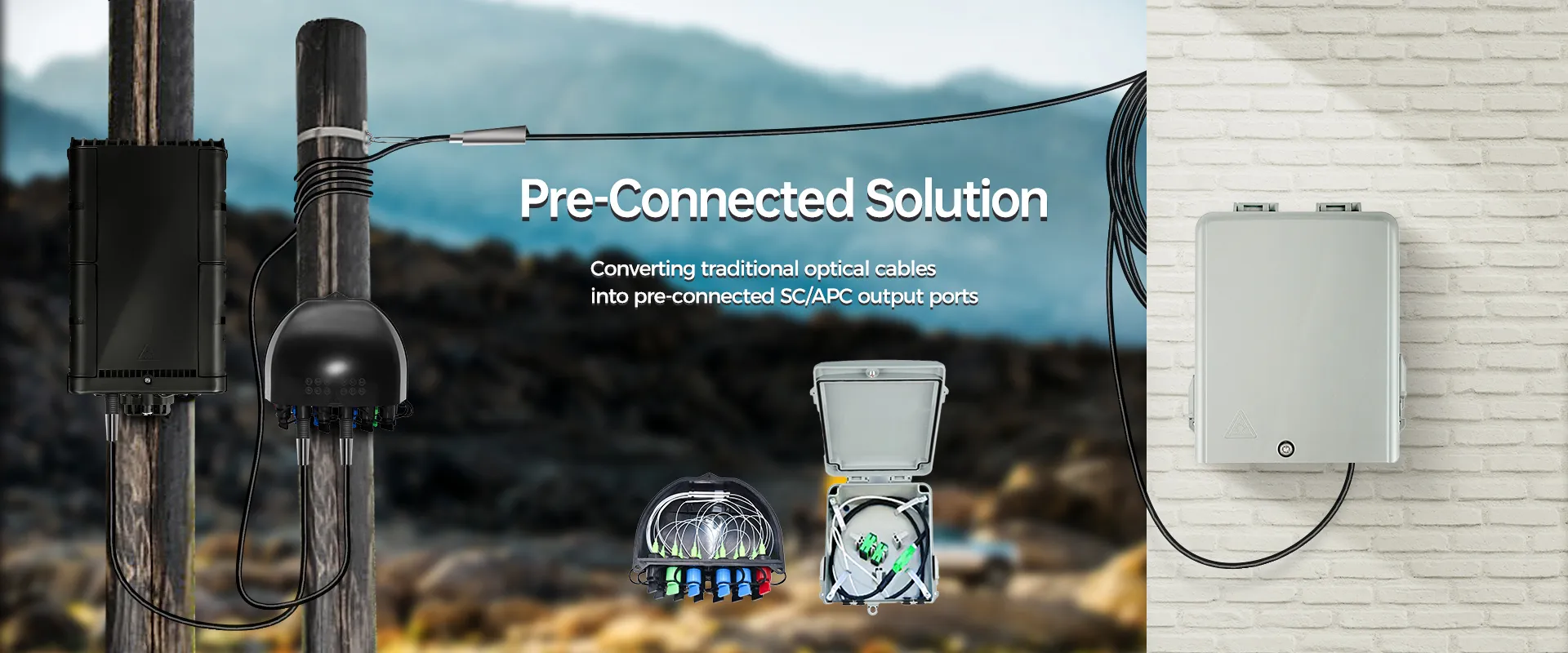
Located in Ningbo, China, has over 15 years of experience in the fiber optic communication and FTTx network industries. Specialize in the production, R&D, and sales of passive fiber optic products as well as FTTA/FTTH/FTTR solutions.
Include a modern production plant, a test center, and a business development department. Have established a quality assurance system compliant with ISO9001 standards. Products are strictly tested according to IEC, GR-326-Core, GR-3120-Core, GR-771-Core, and GR-1221-Core standards to ensure superior performance and reliability.
Products are widely used in FTTH (Fiber to the Home) and FTTA (Fiber to the Antenna) applications. As part of business expansion strategy, Prioritize fulfilling customized product orders. Dedicated team specializes in innovative design, product improvement, and partnering with high-quality suppliers to collaboratively deliver tailored solutions for our clients.
At Glory Optical, Not only deliver high-quality products but also provide excellent customer service.
New products
Officially certified, professional quality guarantee



Overseas Strategy:
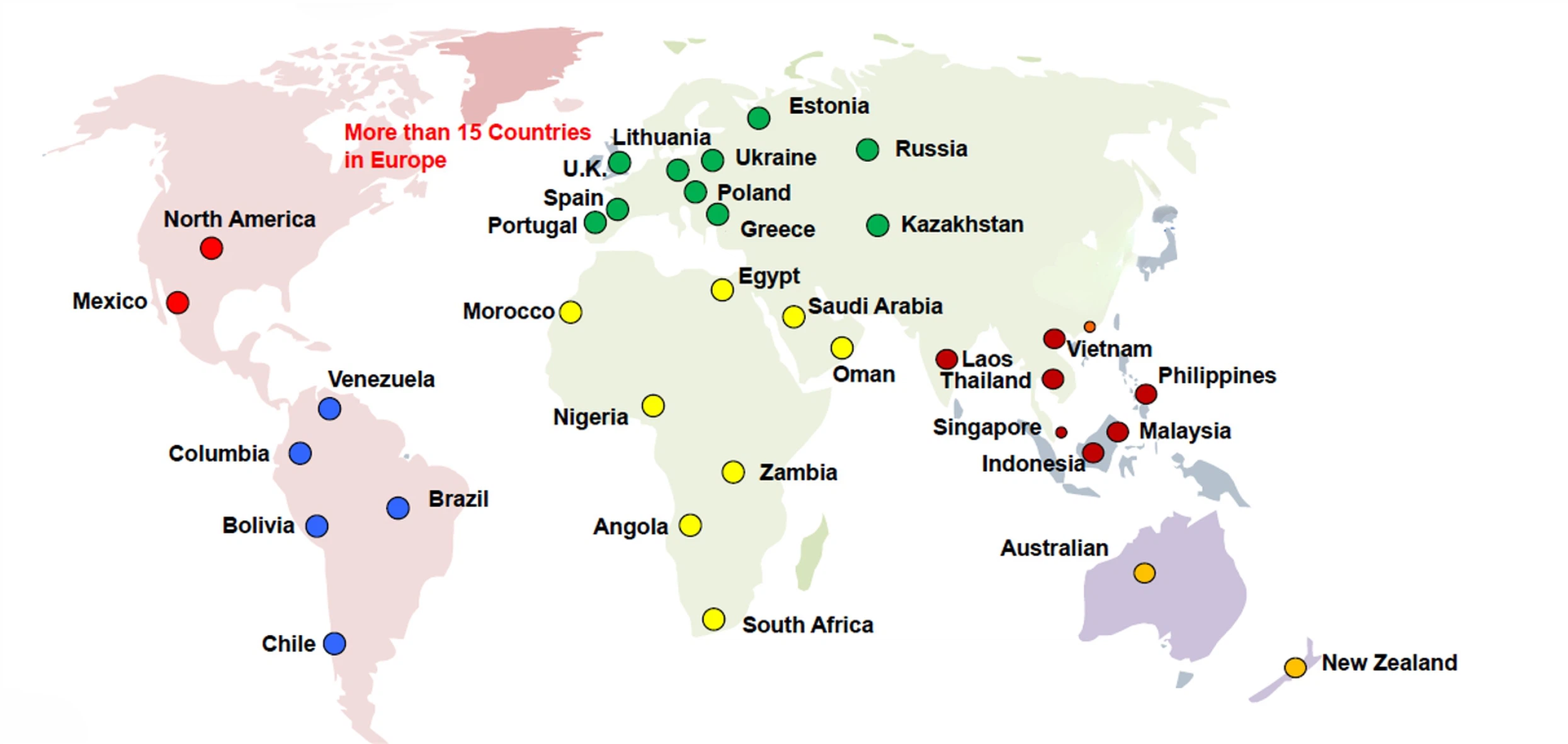
• Market layout in Asia, Europe, Middle east, North America, South America, Africa.
• Products are exported over 50 countries, and are widely recognized by customers.