





Home network cabinet a nightmare? Start with Choosing the Right Indoor Fiber Optic Cable.
 Feb 15, 2026|
 Author:Willa Shang willa@gloryoptic.com
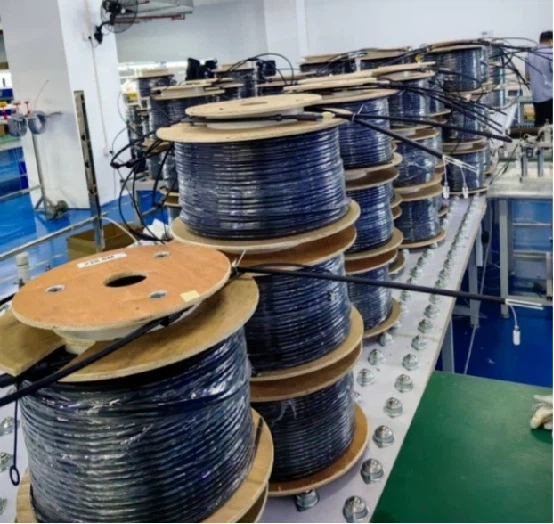
We've all experienced this: opening the door to your home network cabinet or dedicated "tech room" reveals a tangled mess of dusty cables, resembling a bird's nest. Cables disappear into the tangled mess, labels faded, and the mere thought of tracing connections or adding new equipment is enough to give you a headache. This chaos not only affects aesthetics but also slows down troubleshooting, increases the risk of damaging expensive equipment, and can even create security vulnerabilities.
If you've experienced similar frustrations, don't worry, you're not alone. The good news is, the journey to a clean, professional, and secure network begins with one simple choice: choosing the right indoor fiber optic cable.
Think of it as a foundation. You wouldn't build a sturdy house on a crumbling foundation. Similarly, using the right cable from the start makes every subsequent step-organizing, managing, and expanding your network-incredibly easier.
Why Regular or Outdoor Fiber Optic Cables Fail Indoors
Many DIY enthusiasts grab whatever fiber optic cable is available, often leftover from outdoor projects. This is where the nightmare begins. Standard outdoor fiber optic cables are designed for harsh weather conditions, not for flexibility and security in indoor environments. They are typically thicker, stiffer, and their sheaths can produce toxic fumes if they catch fire.
Indoor fiber optic cables, on the other hand, are designed for entirely different environments. Their design focuses on the three pillars of a superior home network: clarity, flexibility, and security.
Three Advantages of Premium Indoor Fiber Optic Cables
1. Clear Colors: Your Instant Navigation System
Have you ever tried to find a specific black cable among twenty? It's nearly impossible. Premium indoor fiber optic cables use a variety of standard colors (orange for multimode fiber, yellow for single-mode fiber, and other colors for different applications).
Your Benefit: This isn't just about aesthetics. It provides you with an instant, permanent labeling system. You can assign colors to specific devices, rooms, or connection types. At a glance, you can tell which cable connects where, reducing hours of frustrating tracing to seconds of visual identification.
2. High Flexibility: Easily Handles Confined Spaces
Home cabinets and walls are full of narrow corners. Rigid cables force you into sharp bends, which can damage the delicate internal fiber optics, leading to signal loss or even complete failure. Indoor fiber optic cables feature a more flexible sheath and an optimized structural design, allowing for safe and tight bending.
Your advantage: You can easily and neatly maneuver cables around corners, through conduits, and into tight ports without worrying about "damaging the fiber." This makes installations cleaner and more compact, with all equipment fitting perfectly.
3. Indispensable: Invisible Fire-Safe (LSZH)
This is crucial. In the event of a fire, the materials around you are critical. Standard PVC cable sheaths produce thick, black, toxic smoke and corrosive gases when burning, posing a serious threat to breathing and escape.
Premium indoor fiber optic cables are made with Low Smoke Halogen-Free (LSZH) materials. Even in a fire, they produce very little smoke and release no toxic halogen gases.
Your benefit: Peace of mind. By choosing this cable, you are protecting your home and family, preventing small electrical problems from escalating into larger tragedies. This is a professional standard, and for good reason.
Three Easy Steps to Escape Your Networking Nightmare
1. Plan the Colors: Before purchasing, draw a simple wiring diagram. For example, "Blue represents the media server in the living room, yellow represents the office connection, and green represents the upstairs wireless access points (APs)." Follow the plan strictly.
2. Choose Low Smoke Halogen-Free (LSZH) and Flexible Cables: In cable specifications, always look for "Indoor" and "Low Smoke Halogen-Free (LSZH)." Touch the cable; it should be flexible, not stiff.
3. Invest in Basic Management: Combine high-quality cables with some inexpensive yet highly practical tools: Velcro cable ties (never use cable ties, as they are too strong and can easily damage cables), a label printer, and some cable clips or simple rack-mount cable organizers.
Conclusion
Build a Smart Network from the Ground Up
Turning your network rack from a nightmare to a source of pride doesn't require a network engineering degree. It all starts with making the right choices from the beginning: using the right tools.
By choosing color-coded, flexible indoor fiber optic cables that meet Low Smoke Halogen-Free (LSZH) standards, you can build a well-organized, reliable, and secure foundation. You'll gain powerful network management capabilities and be able to confidently upgrade and repair, making everything simple, fast, and easy. Say goodbye to cluttered networks and build right the first time.