





Fiber Optic Splice Closure Sealing Methods: Heat Shrink, Mechanical, and Gel – A Complete Guide
 Feb 26, 2026|
 Author: Mia Zheng sales02@gloryoptic.com
Introduction: Why Sealing Matters
In any FTTx network, the fiber optic splice closure plays a critical role-it protects spliced fibers from moisture, dust, pests, and mechanical stress. But the sealing method used in these closures is what truly determines long-term network reliability.
After years in the field, we've seen that choosing the wrong seal type can lead to water ingress, signal degradation, and costly repairs. At Glory Optical, we manufacture closures with all three sealing technologies-heat shrink, mechanical, and gel sealing-because we know that different projects have different demands.
In this guide, we'll break down how each method works, their pros and cons, and how to choose the right one for your next project.
1. Heat Shrink Sealing: The Traditional Heavy-Duty Choice
How It Works
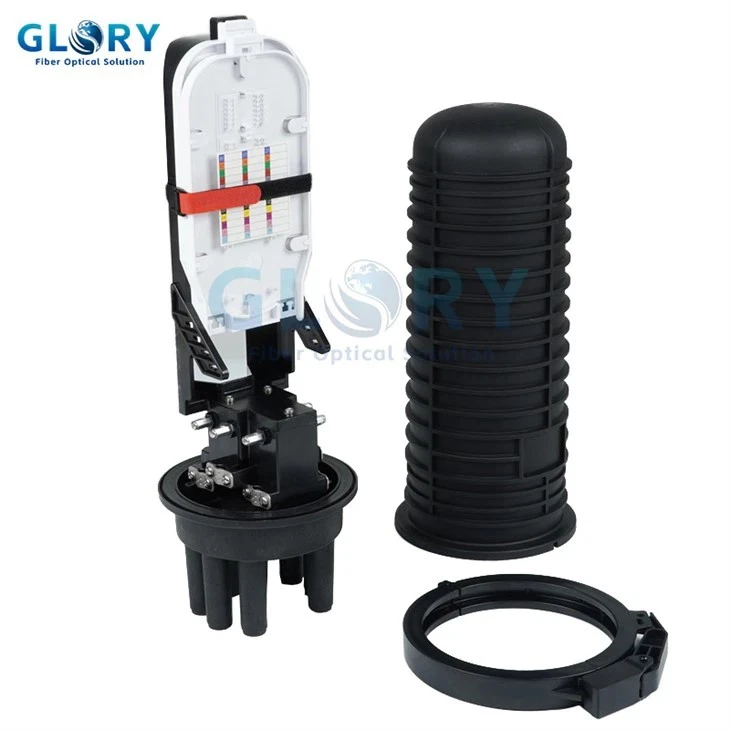
Heat shrink sealing uses a specially coated tube that shrinks tightly around the cable entry point when heated (typically with a torch or heat gun). This creates a permanent, robust bond between the closure and the cable sheath.
Advantages
• Exceptional water-tightness – Ideal for direct burial or submerged environments
• Very high pull-out strength – The cable becomes mechanically locked
• Time-proven technology – Decades of field performance data
Considerations
• Requires heat source and skilled labor – Not suitable for explosive environments (e.g., gas stations)
• Permanent installation – Cannot be reopened without destroying the seal
• Slower installation – Cooling time adds to labor costs
Best Applications
• Long-haul underground cables
• Direct burial installations
• High-water-table areas (rivers, swamps)
• Projects where re-entry is not expected
2. Mechanical Seal (Compression): The Re-Entry Favorite
How It Works
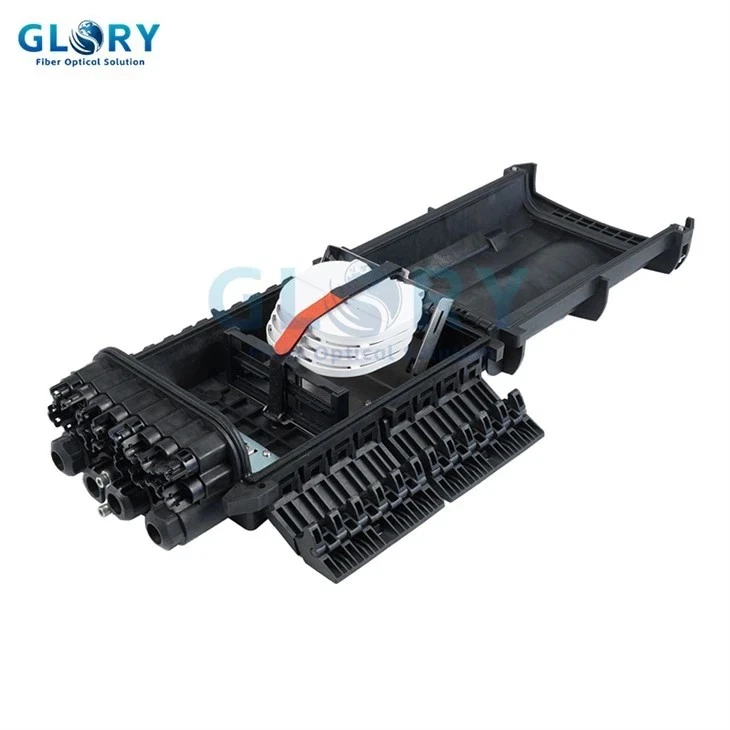
Mechanical seals use high-grade rubber or silicone gaskets that are compressed by bolts, clamps, or screw mechanisms. When tightened, the gasket deforms around the cable(s), creating a tight barrier.
Advantages
• Tool-free installation – No heat, no power needed
• Fully re-enterable – Open and reseal multiple times (great for network upgrades)
• Consistent quality – Less dependent on installer skill
• Works with various cable diameters – Interchangeable grommets available
Considerations
• Long-term rubber aging – Requires high-quality EPDM/silicone
• Torque control needed – Over-tightening can damage gasket
• Slightly higher initial cost than basic heat shrink designs
Best Applications
• Aerial (pole-mounted) installations
• Manholes and handholes
• FTTH distribution points (frequent re-entry)
• Harsh environments with temperature swings
3. Gel Seal: The Ultimate in Simplicity & Flexibility
How It Works
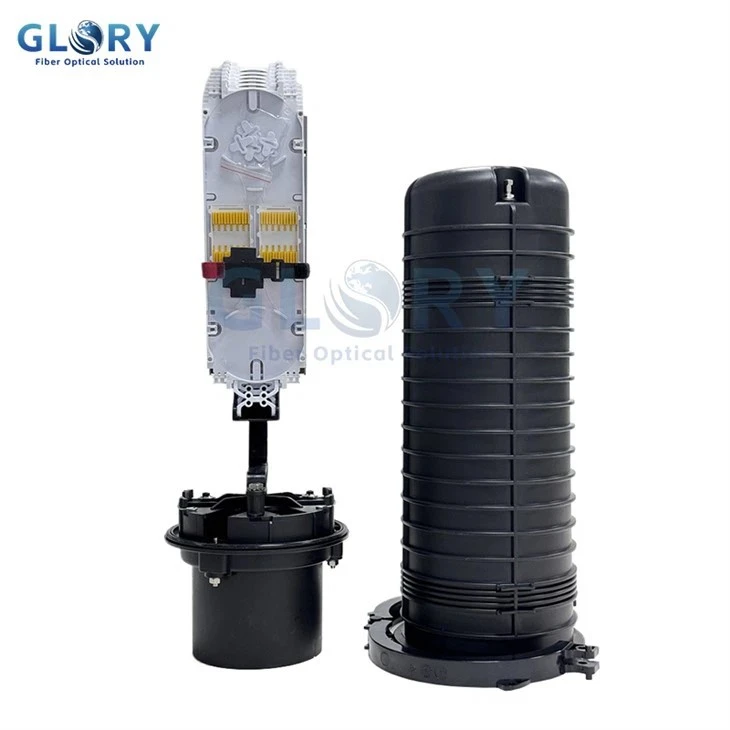
Gel seals use a soft, self-healing gel compound (typically thermoplastic elastomer). Cables are simply pushed through the gel, which flows around them and creates an instant seal. If a cable is removed, the gel "heals" itself.
Advantages
• Easiest installation – No tools, no torque specs, just push
• Self-healing – Add or remove cables multiple times without re-sealing
• Excellent for mixed cable types – Works with different diameters simultaneously
• No consumables – No shrink tubes or gaskets to replace
Considerations
• Temperature limits – Standard gels may stiffen below -20°C (but cold-grade gels exist)
• Not for extreme pressure – Avoid deep-water submersion (>5m)
• Gel compatibility – Must be hydrocarbon-resistant for some environments
Best Applications
• FTTH drop points (frequent changes)
• Rural broadband deployments
• Indoor/outdoor transition boxes
• Emergency repairs and temporary installations
How to Choose the Right Seal for Your Project
|
Factor |
Heat Shrink |
Mechanical |
Gel |
|
Water exposure |
Direct burial, submerged |
Occasional flooding |
Light moisture only |
|
Re-entry needed? |
No |
Yes |
Yes (multiple times) |
|
Installer skill |
High |
Medium |
Low |
|
Temperature range |
-40°C to +65°C |
-40°C to +65°C |
-20°C to +55°C* |
|
Cable types |
Single size per port |
Adjustable grommets |
Mixed sizes |
|
Cost (installed) |
Medium |
Medium-high |
Low |
*Cold-grade gel versions available for -40°C
Why Glory Optical?
At Glory Optical, we don't believe in "one-size-fits-all." That's why our fiber optic splice closures are available with your choice of:
• Heat shrink for heavy-duty infrastructure
• Mechanical seals for re-enterable networks
• Gel seals for fast, flexible deployments
Need Help Choosing?
Every project is unique. Tell us about your application:
• Installation environment (aerial, duct, direct burial)
• Expected number of re-entries
• Cable types and diameters
• Temperature extremes