





The Complete Guide to Fiber Termination Boxes: Types, Functions, and Selection
 Dec 22, 2025|
 In the world of fiber optic networking, the fiber termination box (FTB) plays a critical role in ensuring reliable, high-speed data transmission. As fiber optic technology continues to dominate modern network infrastructures, these boxes have become indispensable components for organizing, protecting, and managing delicate fiber connections. The global market for fiber termination boxes reached USD 964.92 million in 2024, demonstrating their crucial role in today's connected world.
What is a Fiber Termination Box?
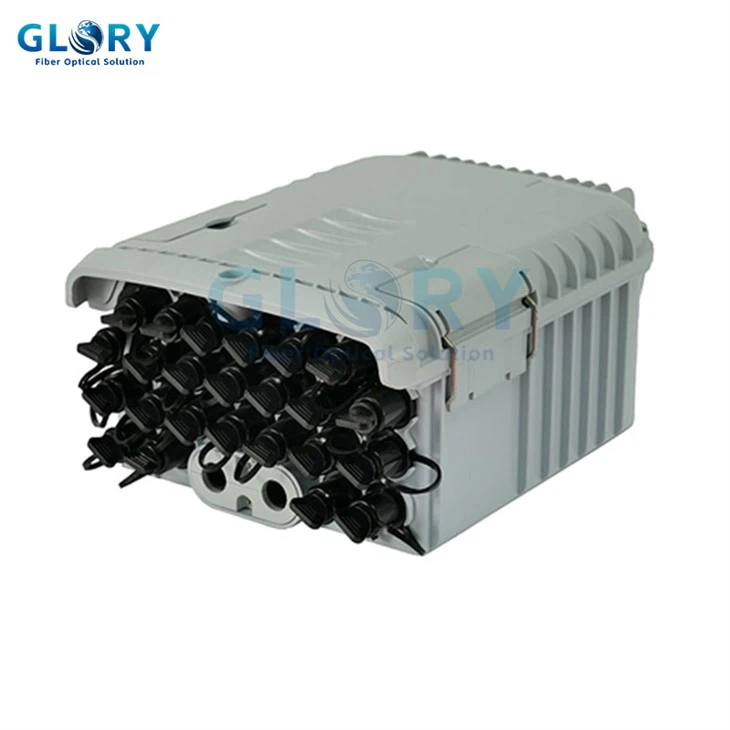
A fiber termination box is a protective enclosure designed to house and manage fiber optic cable terminations. It serves as the critical connection point where fiber optic cables are terminated, spliced, or connected to other network devices such as switches, routers, or Optical Network Terminals (ONTs).
Think of it as the "meeting point" between the outdoor fiber cable running to your building and the internal network connections. When you subscribe to a fiber internet service, the installer typically connects the main fiber cable to a termination box, which then splits the connection into individual fibers that can be directed to different devices or apartments.
Key Components and Terminology
Understanding these basic components will help you better comprehend how fiber termination boxes work:
Pigtail: A short, single-ended fiber with a connector on one end and exposed fiber on the other
Fiber patch cord: A cable with connectors on both ends used to connect pigtails to devices
Splice trays: Hold and protect fiber optic splices inside the box
Fiber optic adapters: Connect different fiber connectors (SC, LC, ST, FC)
Key Functions of Fiber Termination Boxes
Fiber termination boxes deliver several critical functions that make them indispensable in fiber optic networks:
1. Connection and Distribution
The primary function of an FTB is to provide a secure and reliable connection point for optical fibers. It serves as a centralized location for connecting optical fibers to other network elements, enabling reliable data transmission between network devices.
2. Physical Protection
Fiber optic cables are incredibly delicate-with glass fibers thinner than human hair-and require protection from environmental factors such as dust, moisture, and physical damage. The enclosure of the FTB provides secure housing that shields these delicate connections from external elements that could degrade signal quality or cause fiber breakage.
3. Cable Management and Organization
Without proper organization, fiber optic connections can quickly become a tangled mess. FTBs include features such as cable routing guides, splice trays, and labeling systems that facilitate the organization and identification of fiber optic cables. This makes troubleshooting and maintenance significantly easier for technicians.
4. Scalability and Future-Proofing
These boxes are designed to support network expansion, allowing additional fiber cables to be added as needed. This flexibility and scalability make it easy to scale the network infrastructure without major overhauls.
Types of Fiber Termination Boxes
There isn't a one-size-fits-all solution with fiber termination boxes. These boxes vary depending on their use case and capacity. Below are the most common types:
|
Type |
Description |
Common Applications |
|---|---|---|
|
Wall-Mount FTB |
Compact enclosure for indoor fiber cable termination and management |
Data centers, small buildings, residential connections |
|
Rack-Mount FTB |
Designed for high-density fiber management in 19" racks or enclosures |
Telecom rooms, enterprise networks, large IT infrastructures |
|
Outdoor FTB |
Weather-resistant box designed for outdoor environments with high IP ratings |
FTTH, poles, external telecom installations |
|
DIN Rail FTB |
Compact industrial-grade boxes that mount on DIN rails |
Industrial automation, factory networks, PLC control systems |
Indoor vs. Outdoor Fiber Termination Boxes
The choice between indoor and outdoor boxes depends largely on their installation environment:
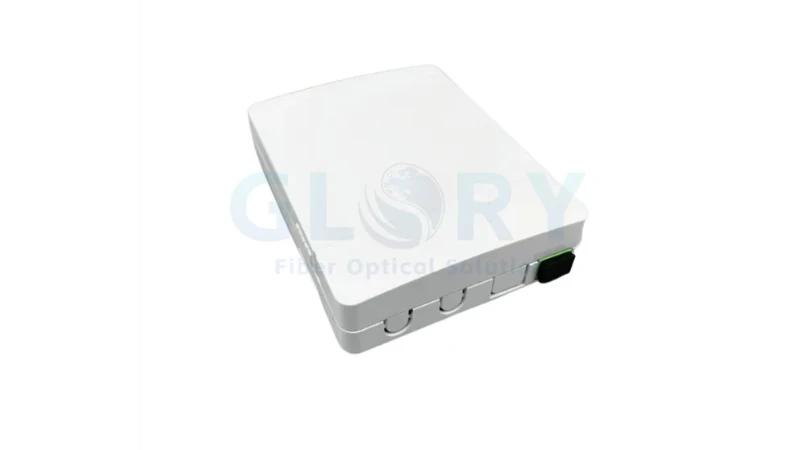
Indoor Boxes:
Used in controlled environments like offices, schools, or data centers
Don't require special environmental protection
Typically made from durable but less rugged materials
Outdoor Boxes:
Designed to withstand harsh conditions including rain, dust, and extreme temperatures
Constructed with ruggedized enclosures and weatherproof seals
Require high IP ratings (IP65-IP68) for adequate protection
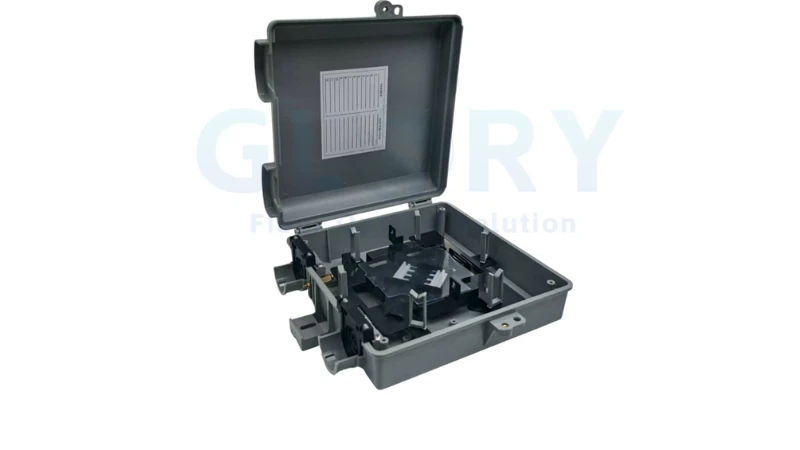
How to Choose the Right Fiber Termination Box
Selecting the appropriate fiber termination box requires careful consideration of several factors:
1. Capacity and Port Requirements
Consider how many fibers your box needs to handle, both currently and in the future. FTBs typically support between 2 and 72 ports, with some models accommodating up to 96 connections . Choose a box with some extra capacity to allow for future expansion.
2. Installation Environment
Determine whether the box will be installed indoors or outdoors. For outdoor applications, ensure the box has an appropriate IP rating:
IP65: Protects against dust and water jets (suitable for most outdoor applications)
IP68: Provides protection against prolonged submersion (for flood-prone areas)
3. Material and Durability
The material of the FTB affects its longevity and protection capabilities:
ABS plastic: Common for outdoor boxes due to its weather resistance
Polycarbonate: Offers good impact resistance for indoor applications
Metal: Provides enhanced durability in challenging environments
4. Compatibility
Ensure the FTB supports the types of connectors used in your network (SC, LC, ST, FC). Most boxes are designed to be compatible with various connector types, but it's essential to verify this before purchase.
5. Future-Proofing Considerations
Consider boxes with modular designs that allow for easy upgrades. Newer models in 2025 feature smart capabilities like real-time monitoring sensors that can track temperature, humidity, and other environmental factors.
Installation and Maintenance Best Practices
Installation Steps
Proper installation is crucial for optimal performance:
Site Preparation: Choose an appropriate location considering accessibility and cable routing
Mounting: Securely mount the box on a wall, rack, or pole according to manufacturer guidelines
Cable Preparation: Strip cable jackets carefully and clean fiber ends properly
Connection: Terminate fibers using appropriate connectors and splice them if necessary
Testing: Use fiber optic testing tools like OTDR to verify connection quality
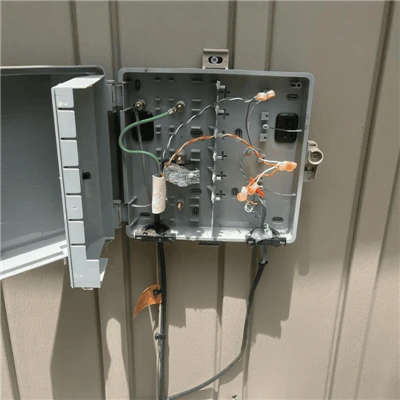
Maintenance Tips
Regular maintenance ensures long-term reliability:
Regular Inspection: Periodically check for physical damage, loose connections, or signs of wear
Cleaning: Clean connectors and splice trays using appropriate tools and solutions
Cable Management: Keep cables neatly organized and properly labeled
Environmental Monitoring: For smart boxes, monitor sensor data to identify potential issues early
Conclusion
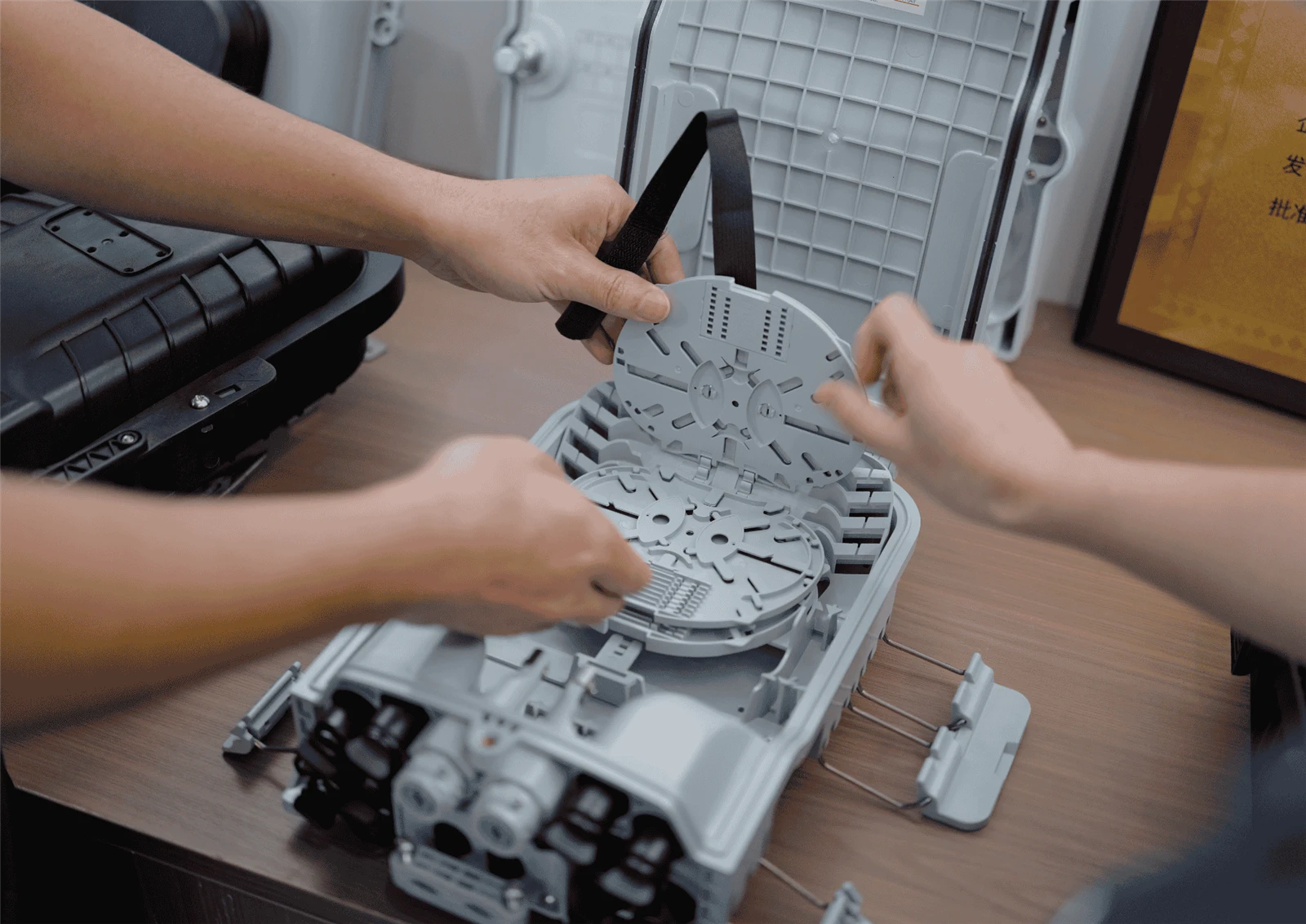
Fiber termination boxes are far more than simple protective casings-they are fundamental components that ensure the reliability, scalability, and performance of modern fiber optic networks. By providing a secure environment for delicate fiber connections, these boxes play a crucial role in everything from residential FTTH installations to massive data center operations.
As technology advances, we can expect to see even more sophisticated FTBs with enhanced monitoring capabilities and modular designs that make network management increasingly efficient. Whether you're planning a new installation or upgrading an existing network, selecting the right fiber termination box is a critical decision that will impact your network's performance for years to come.
By understanding the types, functions, and selection criteria outlined in this guide, you're now equipped to make informed decisions about fiber termination boxes that will keep your network running smoothly and efficiently.