





Two Ways to End Fiber Optic Cables
 Dec 25, 2025|
 What is Fiber Termination?
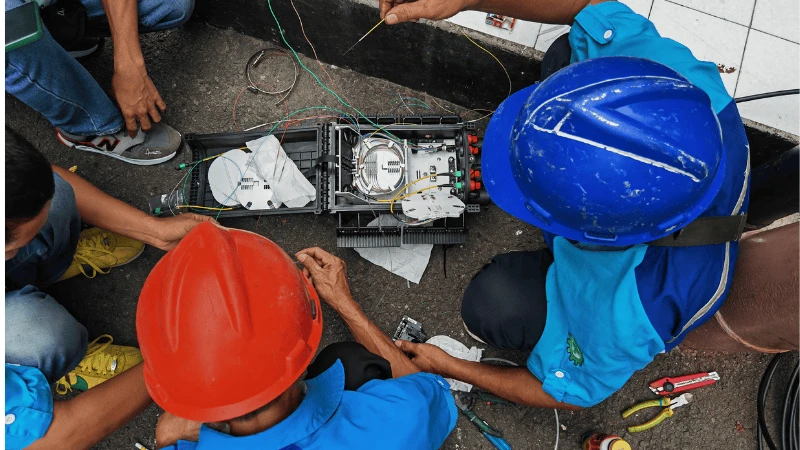
Fiber termination prepares the end of an optical fiber cable. It allows light signals to move from one cable to another or into equipment. Good termination keeps the signal strong. Bad termination causes signal loss or failure. There are two main methods to terminate fiber cables..
Type 1: Connectors
Connectors join fiber cables temporarily. You can plug and unplug them. They are common in data centers and offices. Connectors link cables to devices like switches or routers. They also connect two cables using a patch panel.
Installers use special tools to attach connectors. They clean and polish the fiber end. This makes a smooth surface for light to pass through. Common connector types are LC, SC, and ST. Each has a different size and shape. LC connectors are small and popular for high-density setups.
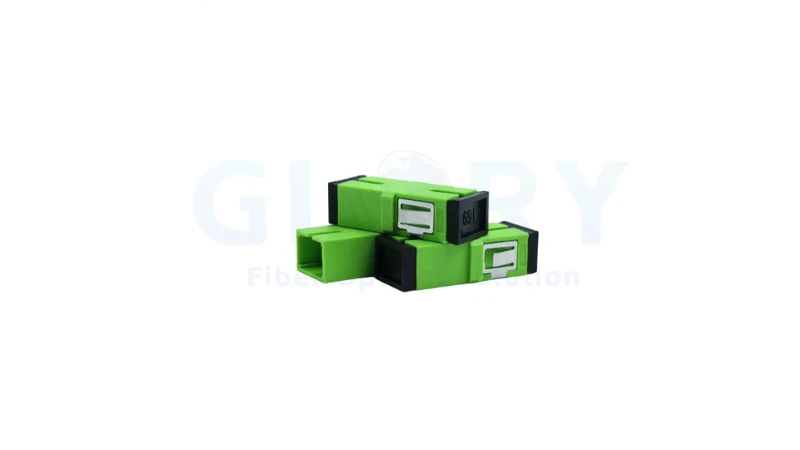
Type 2: Splices
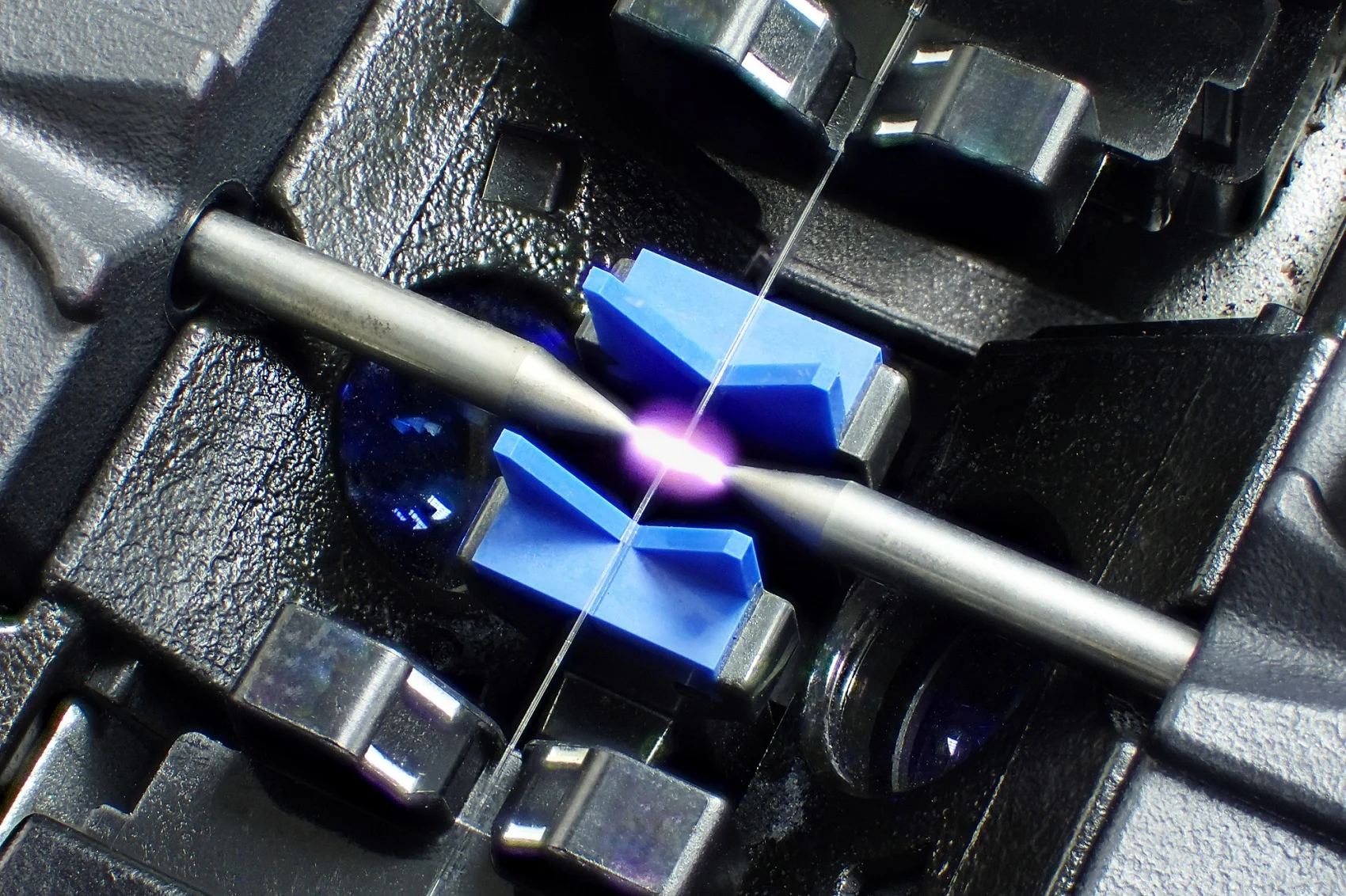
Splices create permanent connections between fibers. Technicians fuse two fiber ends together using heat. This makes a solid joint that won't disconnect. Fusion splicing gives very low signal loss. It's ideal for long cable runs outdoors or underground.
Splicing requires precise equipment. A fusion splicer machine aligns the fibers perfectly. Then it melts them together with an electric arc. The splice gets protected with a sleeve. Splices are mostly used in telecom networks and fiber-to-the-home installations.
Key Differences
Connectors offer flexibility. You can change connections easily. But they might have slightly higher signal loss than splices. Splices provide a more stable connection. Once made, you don't touch them again. They work best for permanent installations.
Choosing the Right Method
Pick connectors when you need flexibility. Use them in equipment rooms or for testing. Choose splices for permanent links, especially outdoors. Consider cost too. Connectors cost less per point but need more maintenance. Splices require expensive equipment but last longer.