





Why The Single-Jumper Method Is Critical To Improving Data Center Network Deployment Efficiency?
 Sep 11, 2025|
Why the Single-Jumper Method is Critical to Improving Data Center Network Deployment Efficiency
Executive Summary
In the era of high-speed, high-density fiber networks in data centers, efficiency and accuracy are paramount. As demands for faster deployment grow, so does the need for streamlined testing tools and methodologies.
The emergence of various connector types for duplex communication has complicated testing processes. Traditional test instruments can no longer meet the requirements of the recommended single-jumper reference method.
Only OLTS systems tailored to modern connectivity demands can fully comply with this method. But what is the single-jumper method and why is it so essential?
The Evolution of Fiber Testing in Data Centers
The single-jumper method represents the latest evolution in this progression, specifically designed to address the challenges of modern high-density data center environments. By simplifying the reference process and minimizing connection points, this approach eliminates multiple potential sources of error while dramatically accelerating testing procedures.
When installing or maintaining fiber networks, technicians must conduct three key tests:
1.Link Loss Measurement: Critical for ensuring signal integrity across the entire fiber path
2.Length Verification: Confirms fiber length matches design specifications and loss budget
3.Polarity Validation: Ensures proper Tx/Rx alignment across duplex connections
These tests validate network performance and compliance with industry standards. Traditional setups required different cables/adapters based on connector types, but the single-jumper method simplifies this process dramatically.
Technical Fundamentals: How Single-Jumper Testing Works
Imagine cutting two pieces of wood to identical lengths. Measuring each separately risks discrepancies, while using a single guide ensures precision and saves time. Similarly, the duplex single-jumper method uses one cable to handle both TX/RX paths in duplex fibers, eliminating multiple cables/adapters for consistent and accurate measurements.
Key Benefits of the Single-Jumper Method
Standards Compliance
- Aligns with TIA/ISO/IEC standards by minimizing variations from multi-fiber/adapters
- Reduces reference loss measurement deviations for precise testing practices
01
Time Efficiency
- Reduces steps compared to traditional multi-cable methods
- Accelerates deployment timelines in high-pressure data center environments
02
Enhanced Accuracy
- Minimizes errors caused by excess connections/adapters
- Ensures consistent, repeatable results through simplified workflows
03
Ease of Use
- Streamlined processes reduce complexity for technicians
- Focus shifts from setup to critical test result analysis
04
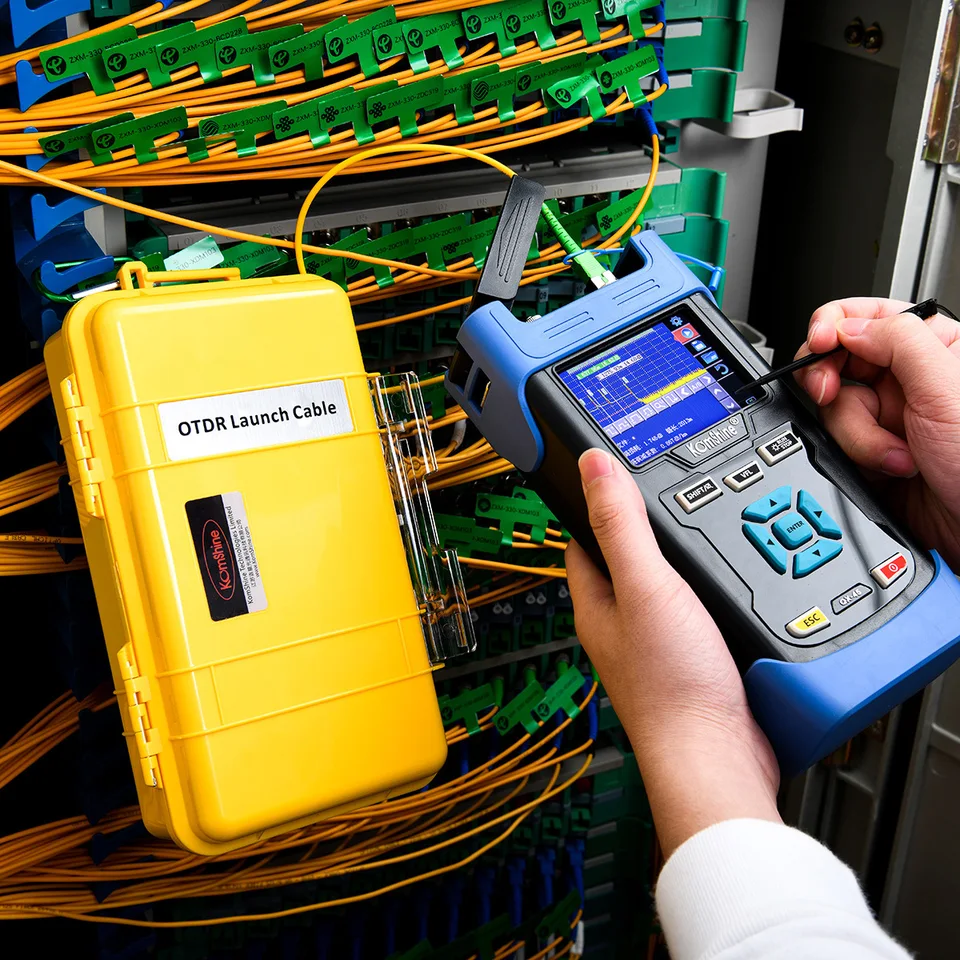
Testing duplex fibers in data centers traditionally required separate cables for TX/RX connectors, increasing risks of misconnection and polarity issues.
The single-jumper method enables simultaneous TX/RX verification with a single cable, ensuring robust polarity validation while reducing cable usage and potential errors.
Future Outlook
As networks advance toward higher speeds/complexity, testing methodologies must evolve accordingly. The single-jumper method represents a smarter, faster approach to fiber testing, empowering technicians of all skill levels.